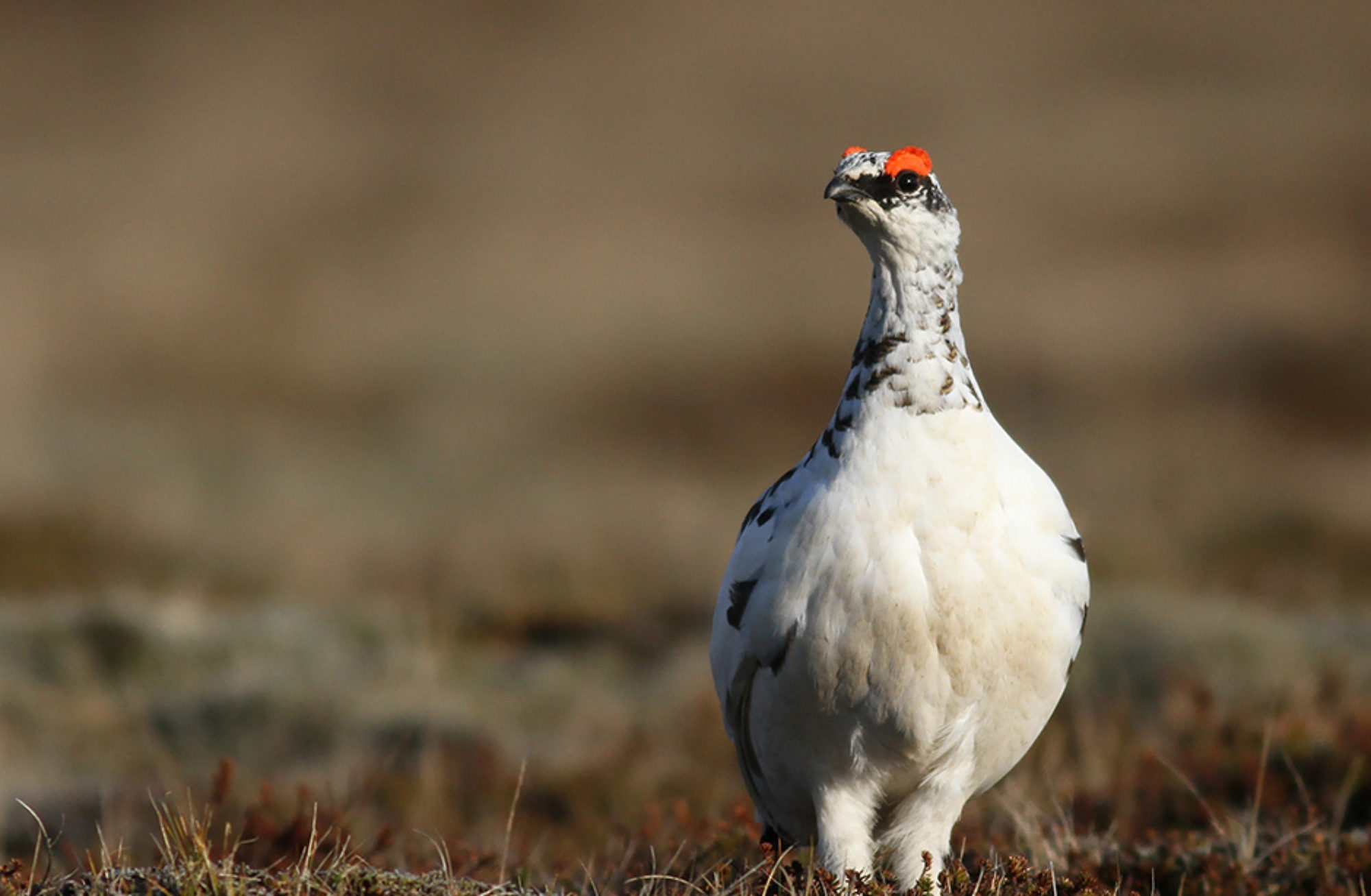
In addition to the ongoing, longer-term effort of developing robust protocols to measure herbivory in tundra, there are also a number of exciting new projects currently being developed.
If you are interested in contributing to any of these efforts, please feel free to contact the lead persons.
TUNDRAdiet: Understanding diet composition and quality of tundra herbivores

TUNDRAdiet is a 3-year research project funded by the Icelandic Research Fund that aims at assessing the variation in herbivore diet composition and quality across tundra environments using robust analytical tools.
The goal is to assess if the diet of tundra herbivores is influenced by co-occurring vertebrate herbivores and food availability. We use DNA metabarcoding and Near Infrarred Spectroscopy (NIRS) of herbivore faecal samples to assess diet composition and quality. We apply these common methodologies to four case studies representing different management scenarios, herbivore assemblages and contrasting food availability.
The TUNDRAdiet project is led by Isabel C Barrio at the Agricultural University of Iceland. Collaborators include: Stefaniya Kamenova, Mathilde Defourneaux, Mathilde Le Moullec, James Speed, Elina Kaarlejärvi, Ingibjörg Svala Jónsdóttir, Bryndís Marteinsdóttir, Charlotte Wagner and Arthur Grand.
Herbivory Network Pellet ID Project
The UArctic Thematic Network on Herbivory is working on a new dynamic library of faecal pellet ID on the website iNaturalist, developed by and for people in the field, whether they are a researcher or a citizen scientist.
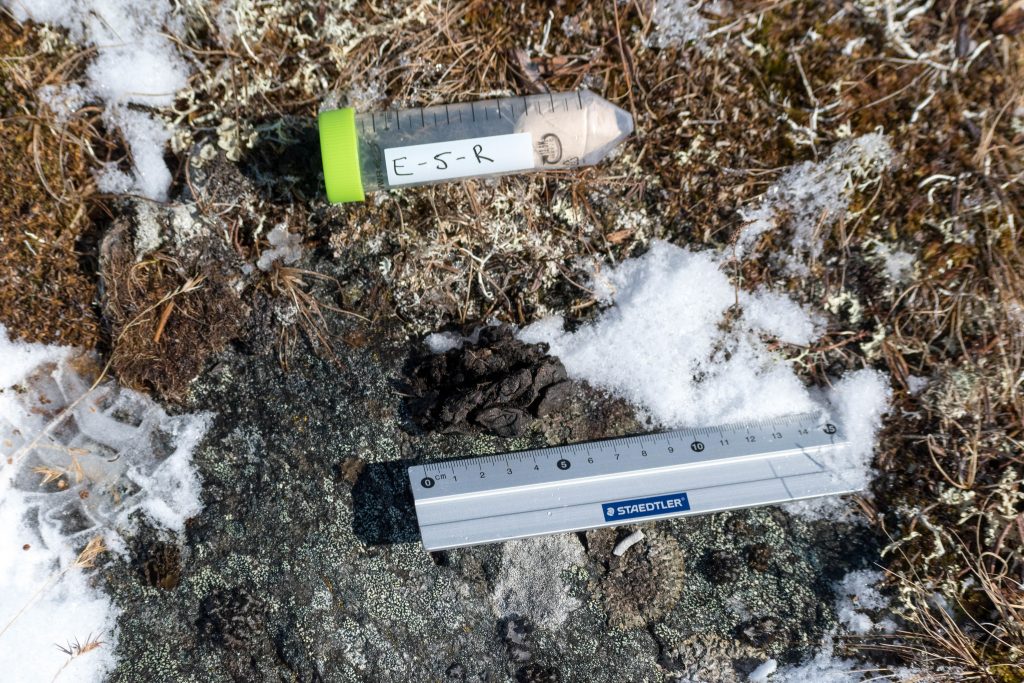
The goal of this project is to create a photo database of herbivore pellets in Arctic and Alpine ecosystems, with associated environmental data and the opportunity to include lab confirmation results. As this project grows, observations may be utilized as a shared data resource and help with the identification of pellets in the field.
iNaturalist uses artificial intelligence to suggest identification of observations, but currently has low accuracy in identifying faecal pellets due to the inherent challenges of taxonomic granularity in this form of ID and lack of observations. By adding observations and suggesting/confirming identification, we can help “train” the AI to develop more accurate suggestions as well as build a functional database for researchers.
This project is in the early stages and we welcome people willing to participate with photos or with feedback about what they would like to see as this develops. If you are interested you can reach out to Kirsten Engeseth.