MSc project at the University of Iceland

MS research project – Sheep farmers’ perspectives of the impact of wild herbivores in the Icelandic highlands

We are seeking a motivated Master student to join our interdisciplinary team of social and natural scientists working on the impact of wild and domesticated herbivores on the vegetation of the Icelandic highlands. This project will involve the use of social research methods to gather farmers’ perspectives on the impact of reindeer and wild geese on summer pastures.

Management of Arctic rangelands needs to consider the pressure from various herbivores. Wild birds and mammals (e.g. geese, ptarmigan, reindeer) as well as farmed animals (e.g. sheep) are vital parts of these ecosystems. In recent years, the increase in the number of migratory geese and reindeer has raised concerns by sheep farmers in parts of Iceland, as they are thought to reduce forage availability to sheep. While the regulation of sheep numbers is based on the conditions of the grazing commons, wild herbivore species management and hunting quotas are largely disconnected from habitat conditions. Moreover, farmers can document damages caused by wild herbivores on farmed lands, but little is known about their impact on summer pastures in the highlands.

The student will be based in the Department of Geography of the University of Iceland and co-supervised by Karl Benediktsson and Noémie Boulanger-Lapointe (Department of Biology). Since the project will involve active engagement with farmers, candidates are required to be fluent in Icelandic. You can contact Noémie (nbl@hi.is) for further information regarding this project. The deadline to apply for a master program at the University of Iceland is April 15th.

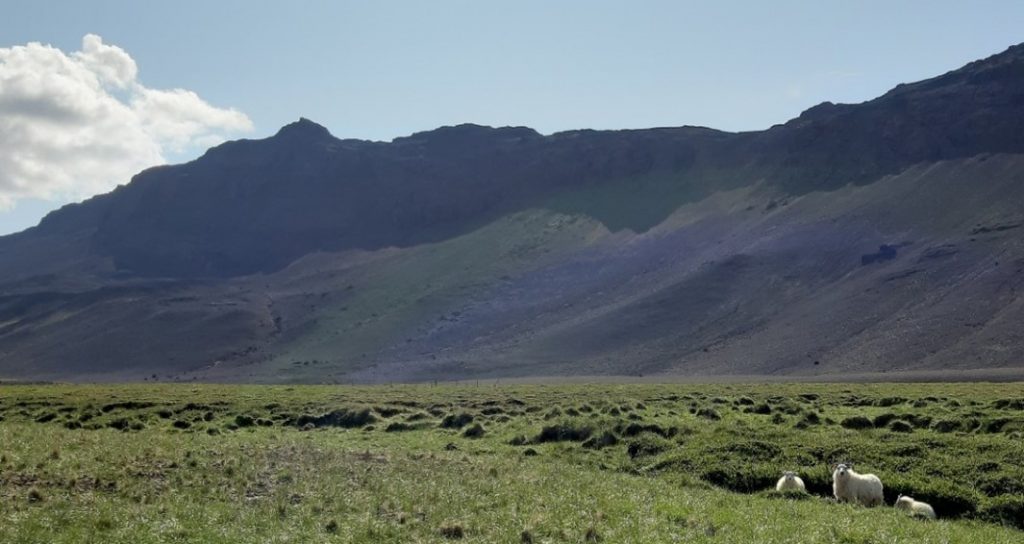
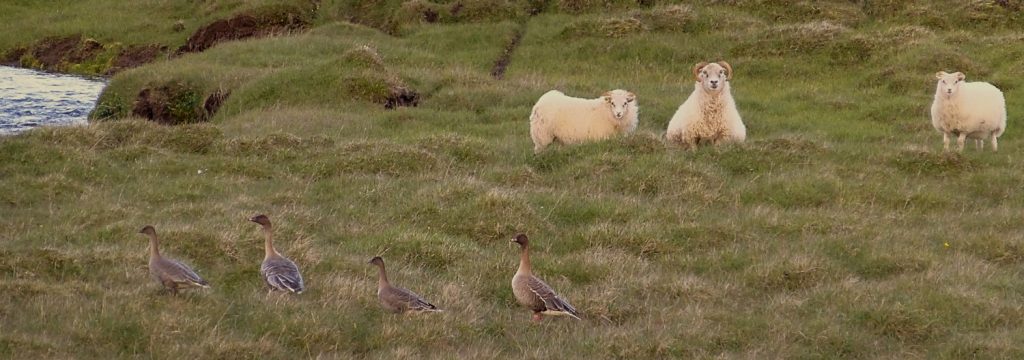
Sheep and pink footed geese in Iceland (photo: Maite Gartzia)

MSc position at the Agricultural University of Iceland

Deadline for applications: March 26, 2021

We are looking for an enthusiastic MSc student to join the project “Herbivores in the tundra: linking diversity and function (TUNDRAsalad)” funded by the Icelandic Research Fund.

TUNDRAsalad will explore the role of herbivore diversity in tundra ecosystems, and how different assemblages of herbivores influence ecosystem functions in high latitude ecosystems. The MSc project will use a systematic review to synthesize existing knowledge to assess the effects of herbivore diversity on the functioning of tundra ecosystems. Using a peer-reviewed protocol, the student will conduct a systematic literature search and compile all relevant studies investigating the effects of herbivore diversity on the functioning of tundra ecosystems. The results of different studies will be synthesized using meta-regression.

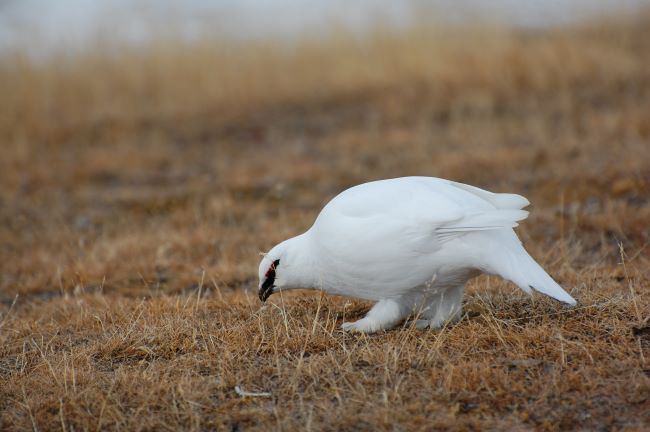
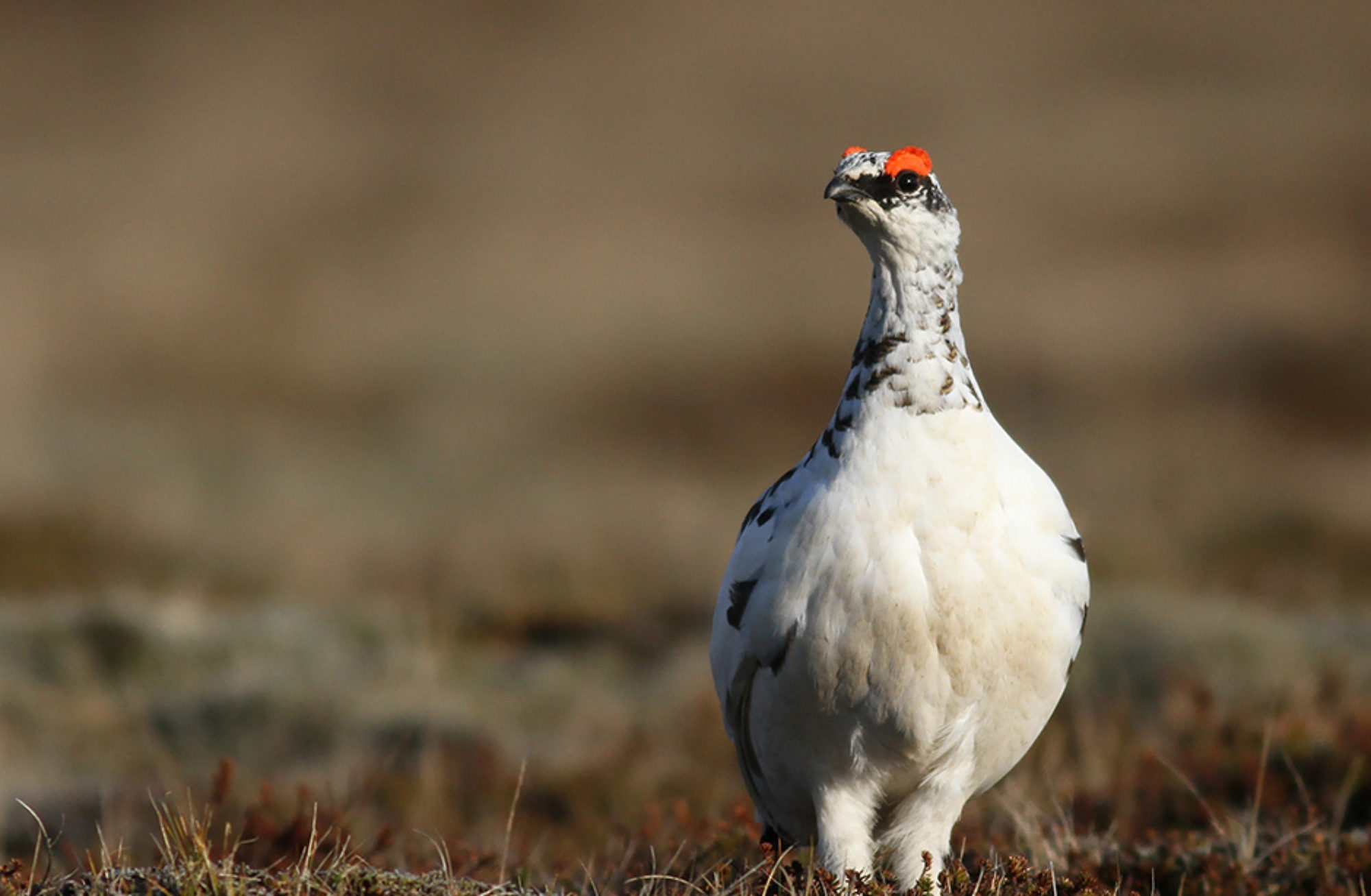
Ptarmigan in Bylot Island (photo credit: Eeva Soininen)

The MSc student will be based at the Reykjavík campus of the Agricultural University of Iceland, and will be co-supervised by Isabel C Barrio (Agricultural University of Iceland), Eeva Soininen (UiT The Arctic University of Norway) and James Speed (Norwegian University of Science and Technology).

The deadline for applications is March 26, 2021 and the position will start on June 1, 2021. The student will be hired for 12 months for the development of the project.

Applications are welcome from candidates with a BSc degree in ecology, environmental sciences or related fields. Applicants should ideally enjoy reading scientific papers, have good organizational skills and the ability to work as part of a team and independently. Previous experience conducting literature reviews and meta-analysis are desirable skills.

In your application you should include:

  • Cover letter that explains how your research interests and experience align with the position
  • CV or resume, including your overall grade and relevant experience
  • List of two professional references and their contact information

Please send your application and any questions to Isabel C Barrio (isabel@lbhi.is). For more details see the ad on the website of the Agricultural University of Iceland.

PhD position in terrestrial ecology at the University of Iceland

Deadline for applications: March 8, 2021

The Faculty of Life- and Environmental Sciences at the University of Iceland is seeking a motivated candidate for a three-year PhD position for the project “Trapped in a degraded state? Tundra ecosystem responses to grazing cessation” (TRAPP). The project is funded by the Icelandic Research Fund and will investigate processes that prevent transition of degraded ecosystems to healthier states. Iceland provides good settings for the study because centuries of heavy grazing by livestock have driven extensive tundra rangelands into degraded states. The PhD student will focus on the role of different plant functional types in retarding the recovery process by using both large scale surveys and field experiments.

Research team and collaboration – The PhD student will be a part of an international research team, led by Ingibjörg Svala Jónsdóttir and including Isabel C. Barrio (Agricultural University of Iceland), Bryndís Marteinsdóttir, (Soil Conservation Service of Iceland), Kari Anne Bråthen (UiT-The Arctic University of Norway, Tromsø) and David Hik (Simon Fraser University, Vancouver, Canada). In addition, five other national and international collaborators will be involved in specific research tasks.

Education, desired skills and work experience

We are seeking a highly motivated candidate with outstanding track-record and:

  • A masters degree in Biology, Ecology or related fields
  • Strong background knowledge in botany and ecology
  • Good skills in statistical analysis (the R software) is desirable
  • Experience of microbial research and application of molecular methods is desirable
  • Experience of laboratory work and fieldwork under demanding conditions in the tundra is desirable

Other requirements:

  • Excellent English, both written and spoken
  • Good planning and organization skills
  • Good communication and teamwork skills
  • The ability to work independently

For further information, please contact Ingibjörg Svala Jónsdóttir at isj@hi.is

The Application process:

Deadline for application is 8th of March 2021. The student is expected to start as soon as possible, or no later than April 2021

Applications should be submitted electronically by March 8th 2021 at https://english.hi.is/vacancies (choose the relevant option and register – the option will show up after February 15). Attach the following information to your application:

  • A short letter (max. 2 pages) of motivation where the candidate also provides her/his future vision and why pursuing a PhD degree
  • CV (curriculum vitae) including education, research and work experience.
  • Certificates of education (BS and MSc degree) and course transcripts with grades.
  • Names and full contact information for two professionals referees (including their relationship to the applicant).
  • Overview of publications (if any).
  • (Optional) Applicants are also invited to send PDF of MS thesis (in any language) and any other relevant publications if available (max. 5 documents).

Further information

All applications will be answered and applicants will be informed about the appointment when a decision has been made. Applications are valid in the system for 6 months after the application deadline. After the hiring process is completed the applicant must apply formally for PhD studies at the University of Iceland.

The University of Iceland is committed to diversity and we encourage all qualified candidates to apply. Appointments to positions at the University of Iceland are made in consideration of the Equal Rights Policy of the University of Iceland. http://www.hi.is/haskolinn/jafnrettisaaetlun#markmid2

The University of Iceland is a growing community of knowledge and is a very dynamic and interesting workplace. Our values are academic freedom, professionalism and equality. The University strives to provide flexibility and encourages participation in the progression of the studies and research in all fields within the realm of the University.

The School of Engineering and Natural Sciences employs around 400 people involved with teaching and research. The School offers an international working environment, with the number of international employees and students increasing each year. Currently about quarter of all employees and graduate students are international. The school has 2000 students, thereof around 180 PhD students and 340 MS students. The School of Engineering and Natural Sciences is proud of its’ diversity and reform-minded environment where knowledge acquisition and sharing is paramount.

The Biomedical Center BMC (lifvisindi.hi.is) is a co-operation between research groups in life-sciences in Iceland.  Through the center the student will have access to well-equipped core facilities and a collaborative cross-disciplinary research environment.


If you are interested in this project, you may also be interested in another related PhD position at the Agricultural University of Iceland.

Postdoctoral position in Tromsø within the CHARTER project

Two-year postdoctoral position at UiT The Arctic University of Norway and The Norwegian Institute for Nature Research (NINA).

We are looking for a postdoctoral fellow to join the EU-project “Drivers and Feedbacks of Changes in Arctic Terrestrial Biodiversity (CHARTER)”. The project is an ambitious effort to advance the adaptive capacity of Arctic communities to climatic and biodiversity changes through state-of-the-art synthesis based on thorough data collection, analysis and modelling of Arctic change with major socio-economic implications and feedbacks. CHARTER involves 21 research institutions across nine countries and is led by the Arctic Centre at the University of Lapland.

In CHARTER, the postdoc will primarily work with topics on Arctic biodiversity and transitions in land cover and the cryosphere related to direct and indirect impacts of major drivers of change over decadal time scales using mainly existing datasets collected on the ground and through remote sensing (mainly work packages 1 and 2 in CHARTER). Research topics will include:

  • herbivory, and relationships between different herbivores in tundra ecosystems
  • predator community composition/changes
  • climatic and environmental changes driving rapid vegetation transitions with impacts on local communities and nature-based industries

CHARTER has a strong focus on involving various stakeholders, including reindeer herders and managers, and in communicating with public authorities on multiple levels. The postdoc will be involved in communication with stakeholders and authorities.

You can find more information and the link to the application portal here.

Deadline for applications is March 3, 2021. For more information please contact Dorothee Ehrich (dorothee.ehrich@uit.no), Hans Tømmervik (hans.tommervik@nina.no) or Jarle Bjerke (jarle.bjerke@nina.no).

PhD position at the Agricultural University of Iceland

Deadline for applications: March 5, 2021

We are looking for a motivated PhD student to join the project “Herbivores in the tundra: linking diversity and function (TUNDRAsalad)” funded by the Icelandic Research Fund.

TUNDRAsalad will explore the role of herbivore diversity in tundra ecosystems, and how different assemblages of herbivores influence ecosystem functions in high latitude ecosystems. The PhD project will focus on Iceland, to understand the impacts of herbivore diversity and guide sustainable grazing management at a regional scale. Iceland represents a unique situation with no native large mammalian herbivores but extensive grazing by domestic and introduced mammals (sheep and reindeer), ptarmigan and increasing populations of migratory avian herbivores (geese and swans). Current knowledge of species abundance and distribution will be used to estimate herbivore pressure and diversity across Iceland and target field sites in the grazing commons above the alpine treeline. The PhD project will involve mapping the distribution of herbivores in Iceland and conducting fieldwork to measure ecosystem function across Iceland, as well as modelling the potential impacts of changes in herbivore assemblages in Iceland over time.

The PhD project will focus on Iceland, to understand the impacts of herbivore diversity and guide sustainable grazing management at a regional scale.

The PhD student will be based at the Reykjavík campus of the Agricultural University of Iceland, and will be co-supervised by Isabel C Barrio (Agricultural University of Iceland), James Speed (Norwegian University of Science and Technology) and Noémie Boulanger-Lapointe (University of Iceland).

The deadline for applications is March 5, 2021 and the position will start as soon as possible after April 1, 2021. The project has a duration of three years.

Applications are welcome from candidates with a MSc degree in ecology, environmental sciences or related fields. Applicants should ideally have experience in conducting fieldwork in remote areas and be able to work as part of a team and independently. Knowledge on the use of Geographic Information Systems (GIS), the statistical software R and a driving license are desirable skills.

In your application you should include:

  • Cover letter that explains how your research interests and experience align with the position
  • CV or resume, including your overall grade and relevant experience
  • List of two professional references and their contact information

Please send your application and any questions to Isabel C Barrio (isabel@lbhi.is). For more details see the ad on the website of the Agricultural University of Iceland.

If you are interested in this project, you may also be interested in another related PhD position at the University of Iceland.

Two Arctic Postdoctoral Researcher positions at the University of Eastern Finland

The project Land use as a modulator of land cover transitions and the ecosystem–atmosphere carbon balance (LANDMOD) is associated with the Digital Geosciences Research Group at the University of Eastern Finland (Joensuu campus). The aim of the project is to unravel the impacts of land use on land cover changes and their consequences for the climate. We particularly look at reindeer management strategies as the type of land-use and focus on depicting land cover differences on wetlands. Our main objectives are 1) to contribute understanding of the rates, magnitudes and mechanisms of land cover changes under different reindeer management strategies and 2) to quantify how the differences in land cover reflect on the release and uptake of CO2 in a landscape level using Eddy Covariance technology. Besides estimating the impact of land use today, we will also estimate the influence of past land use on the cumulative carbon balance. With these approaches, the project will contribute understanding on how and why the rates and magnitudes of land cover transitions vary at high-latitudes in northern Fennoscandia, and how these feedback to the atmosphere.

In the project, we open two two-year postdoctoral researcher positions: a postdoctoral researcher position in Remote Sensing and a postdoctoral researcher position in Ecosystem-Atmosphere Biogeochemistry. Both postdoctoral researchers will take part in an international research team and collaborate with Timo Kumpula (University of Eastern Finland), Henni Ylänne (University of Eastern Finland / Lund University), Natascha Kljun (Lund University), Oliver Sonnentag (Université de Montréal), Christina Biasi (University of Eastern Finland) and Narasinha Shurpali (Natural Resources Institute Finland).

Deadline for applications is February 25, 2021.

More info on the positions can be found in the attachment or on the UEF application portal:

For further information, please contact: Timo Kumpula (timo.kumpula@uef.fi) or Henni Ylänne (henni.ylanne@cec.lu.se)

Postdoc and PhD positions at the University of Oulu

University of Oulu

A new 4-year project, Interacting Processes in Arctic Reindeer Systems Experiencing Rapid Climate Change, at the Kvantum Institute of the University of Oulu is recruiting a postdoctoral fellow and a PhD student addressing reindeer systems in Finland.

  • The Postdoctoral Researcher will study Social-Ecological-Climate Interactions, between reindeer herders, Lapland landscapes, weather & climate. The successful candidate will conduct and use stakeholder workshops and interviews to integrate traditional knowledge with scientific discoveries to co-produce new insights and identify key vulnerabilities, adaptive strategies, and management options applicable to sustainable reindeer systems.
  • The Doctoral Student will quantify CO2 feedback magnitudes and year-long patterns in response to long term differences in reindeer grazing history and changes in winter snow regimes. These studies will be undertaken in Lapland at the Kevo Field Station and at the Oulanka Field Station in eastern Finland and will contribute to the EU EcoClimate research community.

Application deadline is November 1, 2020. More information can be found here and in the online application system. For further questions, please contact Jeff Welker.

Postdoctoral position in Global Change and Biotic Interactions Ecology in Finland

University of Oulu

Anu Eskelinen is seeking a highly motivated and independent postdoctoral researcher to strengthen our team in the study of questions related to climate warming, nutrient enrichment, herbivory, traits, dispersal limitation, lowland species invasions to open tundra, and how these interact to affect diversity and productivity in herbaceous plant communities in grasslands and tundra. The research will be partly based on global experimental Nutrient Network), and the postdoc will lead an add-on study conducted at multiple Nutrient Network sites worldwide, and synthesize existing data. The work will be done in close collaboration with a large international researcher team and includes collaboration with Physiological Diversity Department, German Centre for Integrative Biodiversity Research (iDiv), and Helmholtz Centre for Environmental Research UFZ, Leipzig, Germany, and there will be research visits to Leipzig.

The position is funded for two years and will be based at the University of Oulu, in Finland, and is expected to start Jan 1, 2021. Deadline for applications is November 15, 2020.

You can find more details about the position here. If you have any questions, please contact Anu Eskelinen by email.

You can also find the link to the job announcement online application system here: https://rekry.saima.fi/certiahome/open_job_view.html?did=5600&lang=en&id=00009888&jc=1

MS Assistantship available – Microbial ecology and carbon cycling of coastal Alaskan wetlands

An NSF-funded MS assistantship at Utah State University is available starting in January or May of 2021 to work in the Beard Lab and closely with the Atwood Lab and the Waring Lab. We seek an enthusiastic and inquisitive student who is interested in understanding the role of herbivory, climate change, and wetland ecology and management in affecting microbial communities and carbon sequestration and greenhouse gas (carbon dioxide and methane) exchange in wetlands of the Yukon-Kuskokwim Delta. The project will focus on waterfowl impacts on vegetation and implications of atmospheric exchange. This study does not focus on waterfowl themselves but instead on the ecosystem services of coastal wetlands in Alaska.  

Utah State University is a highly selective, public, land-grant university and is classified as a Carnegie R1 Research University. The main campus is located in Logan, a community of 100,000 people.. For more information on Logan see http://www.tourcachevalley.com. The Beard Lab is committed to supporting and advancing diversity in STEM. Applications from members of historically underrepresented groups are strongly encouraged.  

Required Qualifications: An undergraduate degree in ecology, soil microbiology, biological sciences, biogeochemistry or other closely related environmental science field with quantitative abilities and self-motivation. Required skills: Fieldwork experience in ecology. Preferred experience: Experience with R, DNA analysis, laboratory experience, and experience with LiCORs or other greenhouse gas analyzers. The successful applicant will spend two summers in a remote research camp on coastal western Alaska. Applicants should have experience or interest in learning how to drive boats and snowmobiles, and live in remote field sites for extended periods of time is needed. In your cover letter, please describe your experience or willingness to gain these experiences, and to live in a remote area.  

Review of applications will begin on October 10, 2020 and continue until the position is filled. The appointment will begin between January 1, 2021 and May 10, 2021, with an initial commitment of two years of funding. A competitive stipend (~$18,000) and full tuition package will be offered.  

In your application, please include:  

  1. A cover letter that explains how your research and experience aligns with the skills and research activities listed above
  2. A CV or resume, including your GPA and relevant experience (GRE scores are optional) 
  3. A list of three professional references and their contact information.  

Please send your application and any questions to Karen Beard: karen.beard@usu.edu 

Two postdoctoral positions at the Arctic Centre

The Arctic Centre, University of Lapland is seeking to fill two post-doctoral research positions that will address decadal to centennial changes in Arctic climate and biodiversity, including social-ecological feedbacks and drivers. The positions are key personnel appointments for scientific management of the project “Feedbacks and Drivers of Changes in Arctic Terrestrial Biodiversity (CHARTER)”, funded by the EU’s Horizon2020 “Changing Cryosphere” programme.

The fields of research are:
1) geography/ecology/earth system science; and
2) social anthropology/human geography

The positions are expected to start in the fall 2020 (latest Oct 1, 2020) and will be based in Rovaniemi. Deadline for applications is August 3, 2020.

You can find more details here.