Herbivore decline switches a high Arctic plant community from top-down to bottom-up control

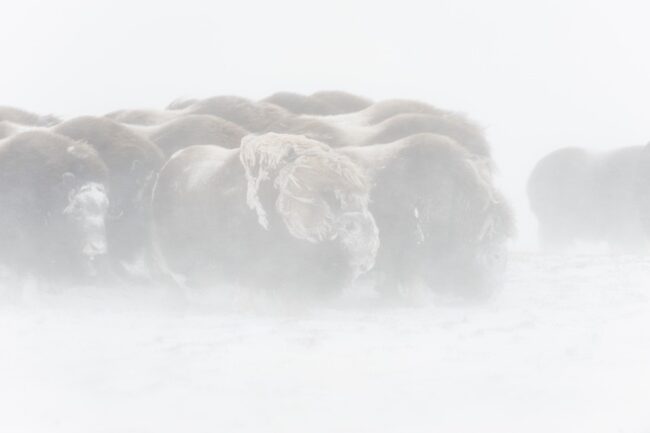
This study explores how a tundra plant community at Zackenberg in NE Greenland is influenced by both grazing animals and climate warming. The Arctic is a nutrient‑poor environment, so plants are strongly affected by changes in temperature and by herbivores such as muskoxen, which feed heavily on vegetation. As the Arctic warms, plant growth is increasing, but at the same time the numbers and movements of large grazing animals are changing. Understanding how these two forces interact is important for predicting future ecosystem changes.

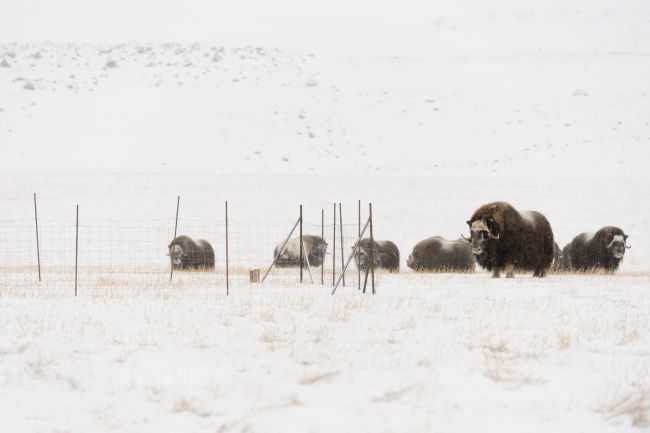
To investigate this, we conducted a 13‑year experiment in a wet Arctic fen, where we fenced off small areas to exclude muskoxen while leaving nearby areas open to grazing and trampling. Initially, the effects of excluding muskoxen were clear. After only five years, fenced areas held much more plant biomass and nitrogen, indicating that muskox grazing and trampling limit vegetation growth.

Over the longer term, however, these differences faded. Muskox numbers in the region declined during the study, reducing grazing pressure even in unfenced areas. Hence, 13 years after the establishment of the experiment, plant biomass and nitrogen pools had increased both inside and outside the fenced areas, and the treatment effect was no longer evident.

The declining muskox population at Zackenberg reduces its influence on the tundra vegetation, allowing climate warming to drive widespread increases in plant growth. These changes are likely to affect how nutrients and energy move through Arctic ecosystems, with possible knock-on effects in freshwater and coastal ecosystems.

Reference: Brockmann, F. K., Michelsen, A., Stewart, L., van Beest, F. M., Hansson, S. V., & Schmidt, N. M. (2026). Herbivore decline switches a high Arctic plant community from top-down to bottom-up control. Journal of Ecology, 114, e70308. https://doi.org/10.1111/1365-2745.70308

This study is also a contribution of the Nordic Borealization Network.


Text: Niels Martin Schmidt, Aarhus University / Picture: Muskox exclosures at Zackenberg, Lars Holst Hansen.

Large mammalian herbivores can influence arbuscular mycorrhizal fungal communities in the Arctic

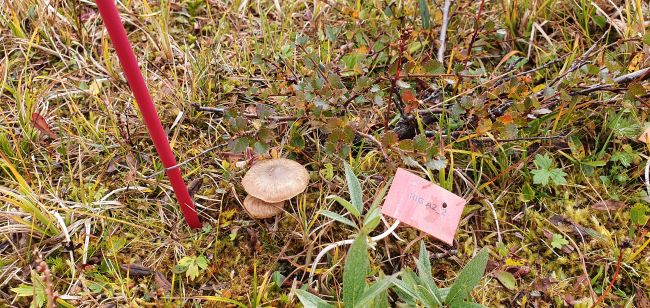
Mycorrhizal fungi are an integral component of carbon and nutrient dynamics in soils and may be especially important in Arctic and alpine communities undergoing large-scale changes due to climate change. Large mammalian herbivores may influence these microbes indirectly by selectively foraging on certain plant types, and directly through trampling and nutrient addition to soils. Our study utilized DNA amplicon sequencing within a network of large mammalian herbivore exclosures across the Arctic to evaluate the impact of these herbivores on three types of mycorrhizal fungi: arbuscular mycorrhiza (AM), ectomycorrhiza (EcM), and ericoid mycorrhiza (ErM).

Large mammalian herbivores influenced the AM community across the sites but did not have a consistent effect on the EcM or ErM communities. We also observed effects of pH and growing season temperature on AM fungal communities which may indicate that conditions are becoming more favourable for AM fungi in these regions. AM fungi are understudied in the Arctic as they are typically cold-limited, but with climate change they may have the potential to expand.

EcM and ErM fungal communities were primarily correlated with soil properties, such as δ15N signature, and may be more closely tied to nutrient conditions in the soil rather than indirect effects from higher trophic levels. Current investigations into how mycorrhizal fungal activity and production is correlated to herbivory and soil conditions is currently ongoing, along with a larger biogeographical synthesis of mycorrhizae in the Arctic.

Reference: Brachmann, C.G., Ryberg, M., Furneaux, B.R., Rosling, A., Ou, T., Ekblad, A., Abdulmanova, S., Barrio, I.C., Bret-Harte, M.S., Fritze, H., Gough, L., Hollister, R.D., Jónsdóttir, I.S., Kalttopää, O., Lindén, E., Mäkiranta, P., Olofsson, J., Partanen, R., Reid, K.A., Sokolov, A., Sujala, M.S., Sundqvist, M.K., Suominen, O., Tweedie, C.E., Young, A. and Björk, R.G. (2025), Impacts of large herbivores on mycorrhizal fungal communities across the Arctic. Ecography e08045. https://doi.org/10.1002/ecog.08045

Neither long-term warming nor grazing influence the quality of reindeer summer pastures in Finnmark

Herbivores like reindeer need to navigate important fluctuations in the chemical composition of tundra plants over the summer season, as the quality of the vegetation changes.  In their study, Berthelot and collaborators investigate whether long-term differences in temperature and reindeer management influence the quality of reindeer’s summer forage.

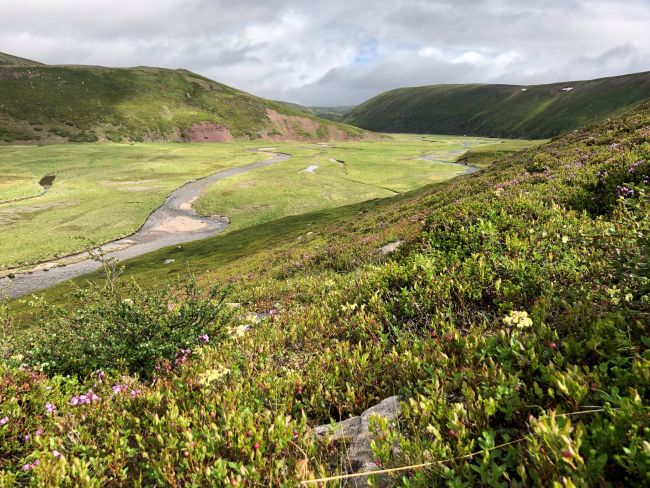
Fanny Berthelot, lead author of the study says: “To our knowledge, this is the first study that uses a large spatial sampling design to assess long-term impacts of herbivory and climate on plant nutritional quality (i.e., both defense and nutrient concentrations). We found substantial variations in plant chemical composition between species, and part of this between-species variation was associated with plant functional groups. We also documented strong seasonal decreases in the concentrations of nutrients (Nitrogen and Phosphorus) and weaker seasonal increases in the concentrations of defense compounds (Silicon and Phenolics) over the summer. 

We also found a steeper seasonal decline in nutrient concentrations in warmer sites than in cooler sites, while defense compounds seemed not to be affected by the temperature. Interestingly, we found no evidence for long-term effects of reindeer grazing intensity on the average chemical composition of the plants. 

Our results indicate that what is likely to matter to reindeer in term of plant quality seems to be seasonal variations in plant chemical composition as well as species composition of the pastures.”

Reference: Berthelot, F., Stien, A., Soininen, E.M., Tveraa, T., Böhner, H. and Bråthen, K.A., 2025. Are Large‐Scale Differences in Temperature and Reindeer Management Regime Affecting the Quality of Reindeer’s Summer Forage? Ecology and Evolution15(11): e72500. https://doi.org/10.1002/ece3.72500


Photo credit Fanny Berthelot

Long-term grazing exclusion and nutrient addition influence floral communities

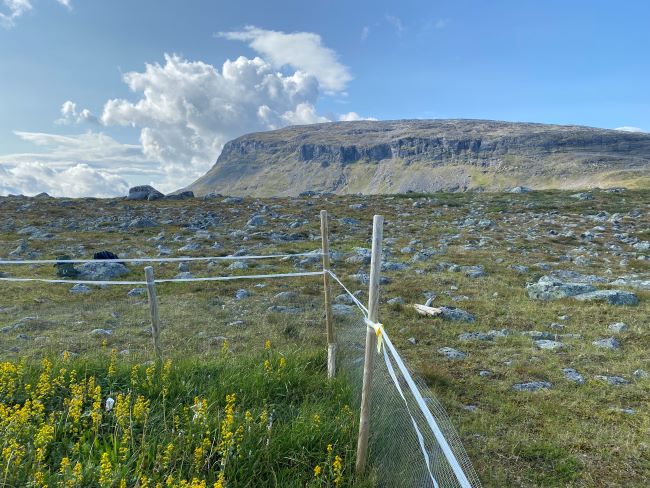
Floral communities in tundra and montane grasslands are shaped by both grazing and soil nutrients. Our study, conducted at two northern sites as part of the Nutrient Network, shows how bottom-up and top-down forces interact to influence flower abundance and diversity.

Nitrogen addition generally reduced flower abundance, while phosphorus and potassium increased it. Excluding grazers boosted flower abundance, especially when combined with nutrients. Yet grazing also maintained species richness and diversity by keeping tall competitive plants in check.

These results highlight that management of grazing and nutrient inputs can strongly influence floral resources, with likely consequences for pollinators and the stability of high-latitude ecosystems. We are currently investigating the consequences of nutrient- and grazing-driven changes in floral resources on flower visitor assemblages.

The paper was recently published in Oikos Volume 2025, Issue 7.

Reference: Johanson, N., Olde Venterink, H., Carvalheiro, L. G., Eskelinen, A., & Virtanen, R. (2025). Long‐term nutrient addition and grazing exclusion determine flower abundance, diversity and community composition in high‐latitude grasslands. Oikos, e11562. https://doi.org/10.1002/oik.11562


Text and photograph: Nicolina Johanson, 2024

Emerging priorities in terrestrial herbivory research in the Arctic

Research on Arctic herbivory has a long tradition, but recent literature syntheses have highlighted important knowledge gaps. Given the rapid pace of climate change in the Arctic and the limited resources available, prioritizing research and management efforts is an urgent task. To identify emerging scientific and management priorities in Arctic herbivory research for the next decade, and as a contribution to the fourth International Conference on Arctic Research Planning (ICARP IV) we conducted a horizon scan within the Arctic herbivory research community.

We collected nearly 300 suggestions from 85 experts through online surveys and an in-person workshop. After analyzing their responses, we identified eight key scientific priorities and eight key management priorities centred on (a) understanding and integrating fundamental ecological processes across multiple scales from individual herbivore–plant interactions up to regional and decadal scale vegetation and animal population effects; (b) evaluating climate change feedbacks; and (c) developing new research methods. Our analysis provides a strategic framework for broad, inclusive, interdisciplinary collaborations to optimise terrestrial herbivory research and sustainable management practices in a rapidly changing Arctic.

The resulting paper is available as an open access publication in Arctic Science: BARRIO, I.C., VUORINEN, K.E.M.V., BARBERO-PALACIOS, L., DEFOURNEAUX, M., PETIT BON, M., GREER, E.A., ANDERSON, H., HORSTKOTTE, T., LECOMTE, N., WINDIRSCH, T., FERRARO, K., FORBES, B.C., FORBEY, J.S., GARCÍA CRIADO, M., HAGENBERG, L., HIK, D., KATER, I., MACEK, P., MOEN, J., SUNDQVIST, M.K., SZEJGIS, J., VILLOSLADA, M., ZAJA, E., BERTHELOT, F., BJÖRNSDÓTTIR, K., CUNOW, J., DEN HERDER, M., ESKELINEN, A., HAYES, K., HOLLISTER, R.D., Í HARALDSSTOVU, K., JÓNSDÓTTIR, I.S., KRISTENSEN , J.A., LAMERIS, T., OKSANEN, L., OKSANEN, T., OLOFSSON, J., PARK, T., PEDERSEN, Å.Ø., RAMIREZ, J.I., RAVOLAINEN, V.T., ROY, A., RYDE, I., SCHMIDT, N.M., SCHROFNER-BRUNNER, B., SKARIN, A., SPEED, J., TE BEEST, M., TILLMAN, M., TINOCO TORRES, R., TRAYLOR, W., VIRTANEN, R., WHEELER, H.C., ALATALO, J.M., AXMACHER, J.C., BARTOLOMÉ FILELLA, J., COOPER, E., GEANGE, S., GILG, O., GROGAN, P., HERNÁNDEZ-CASTELLANO, C., HØYE, T., KERBY, J.T., KLANDERUD, K., KOLTZ, A.M., LANG, J., LE MOULLEC, M., LOONEN, M.J.J.E., MACIAS-FAURIA, M., POST, E., SERRANO, E., SIEWERT, M., SOKOLOV, A., SOKOLOVA, N., SUOMINEN, O., TAMAYO, M., TEREKHINA, A., VOLKOVITSKIY, A., KAMENOVA, S. (2025) Emerging priorities in terrestrial herbivory research in the Arctic. Arctic Science 11: 1-26 link to publisher

The horizon scan exercise was a long process that included brainstorming at the HN meeting organized in Cambridge Bay in June 2023, two online surveys and one in-person workshop organized in parallel to the Nordic Society Oikos conference in Lund, in March 2024.

Funding to support the participation of early career scientists to the HN meeting in Cambridge Bay and the workshop in Lund was made available through the Terrestrial Working Group of the International Arctic Science Committee.

Large herbivores shift trophic interactions in the Fennoscandian tundra

Large herbivores play a crucial role in maintaining vegetation structure and composition of Arctic ecosystems in times of global change by grazing and trampling on plants and moving nutrients across the landscape. However, the role of herbivores in shaping the size of ecological communities and overall biodiversity in the Arctic is poorly understood. 

Measuring ecological communities and biodiversity is a challenge difficult to overcome because it requires the extensive participation of researchers with deep taxonomic knowledge to conduct field inventories. An alternative approach entails employing existing indexes that indicate the number of organisms that interact with a particular plant species. In this study, we coupled vegetation data from a network of plots scattered across the Fennoscandian tundra with an index developed for Swedish flora to understand how herbivores shape ecological communities and overall biodiversity.

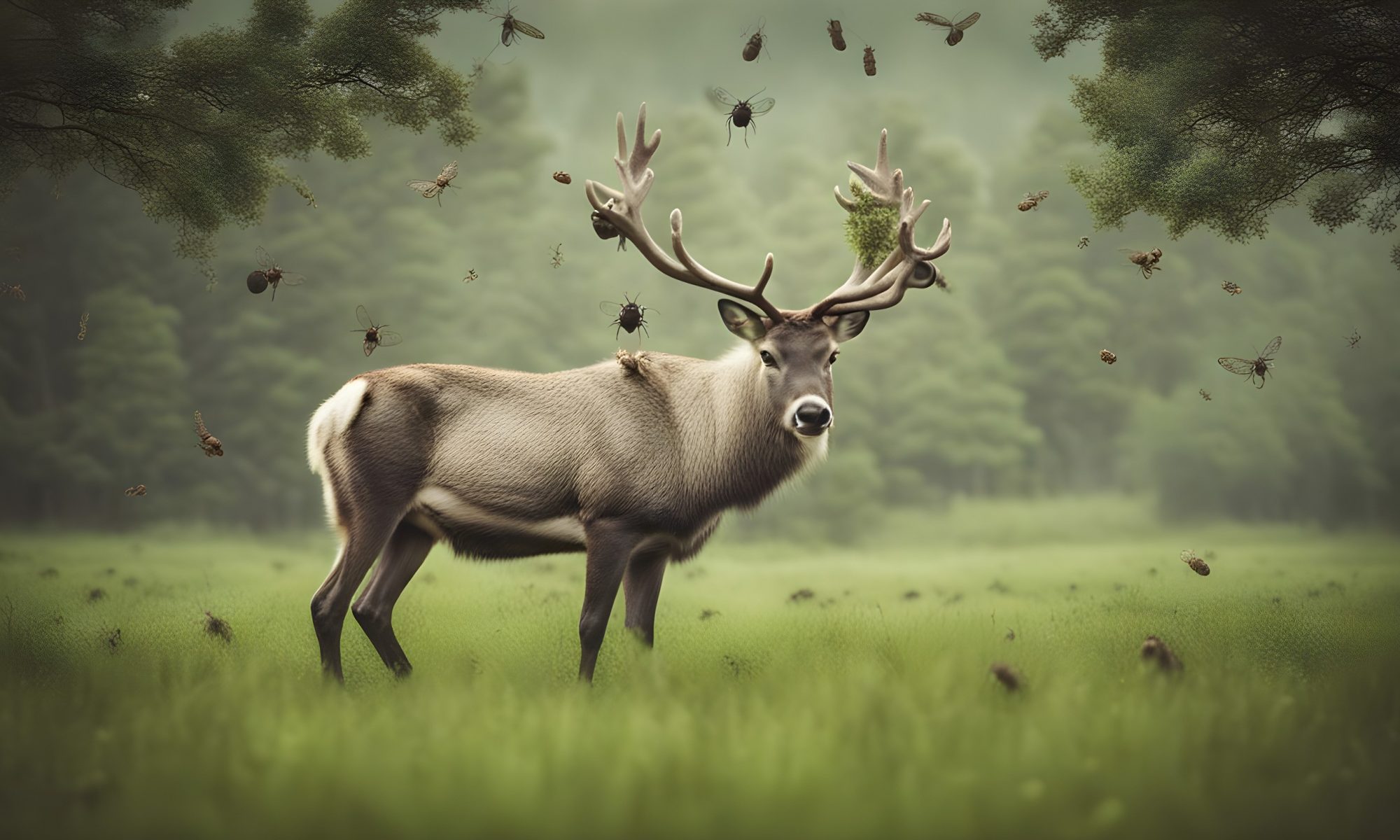
We found that herbivores reduce the size of ecological communities by grazing on taller plants which commonly interact with a higher number of species. Our study highlights the importance of preserving reindeer and moose populations in the Arctic to conserve the vegetation structure and biodiversity of the tundra.

The article is Open Access and you can find the full text here.

Reference: Ramirez, J.I., Sundqvist, M., Lindén, E., Björk, R.G., Forbes, B.C., Suominen, O., Tyler, T., Virtanen, R. and Olofsson, J. (2024), Reindeer grazing reduces climate-driven vegetation changes and shifts trophic interactions in the Fennoscandian tundra. Oikos e10595. https://doi.org/10.1111/oik.10595


Text: Juan Ignacio Ramirez; Image generated by AI.

The identity of the herbivore community shapes vegetation in Arctic tundra — but isolating the effects of herbivore diversity remains challenging

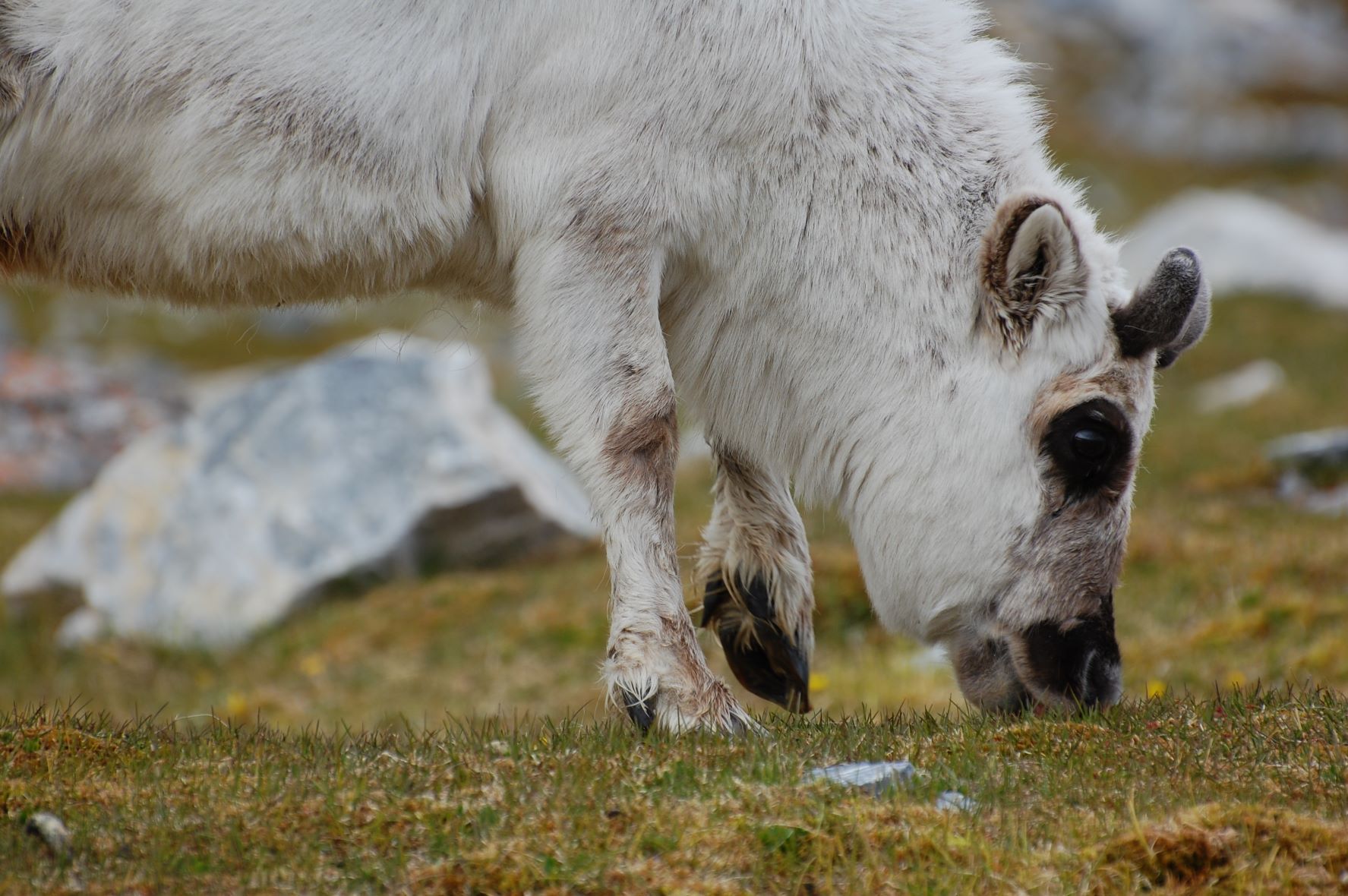
photo: Eeva Soininen

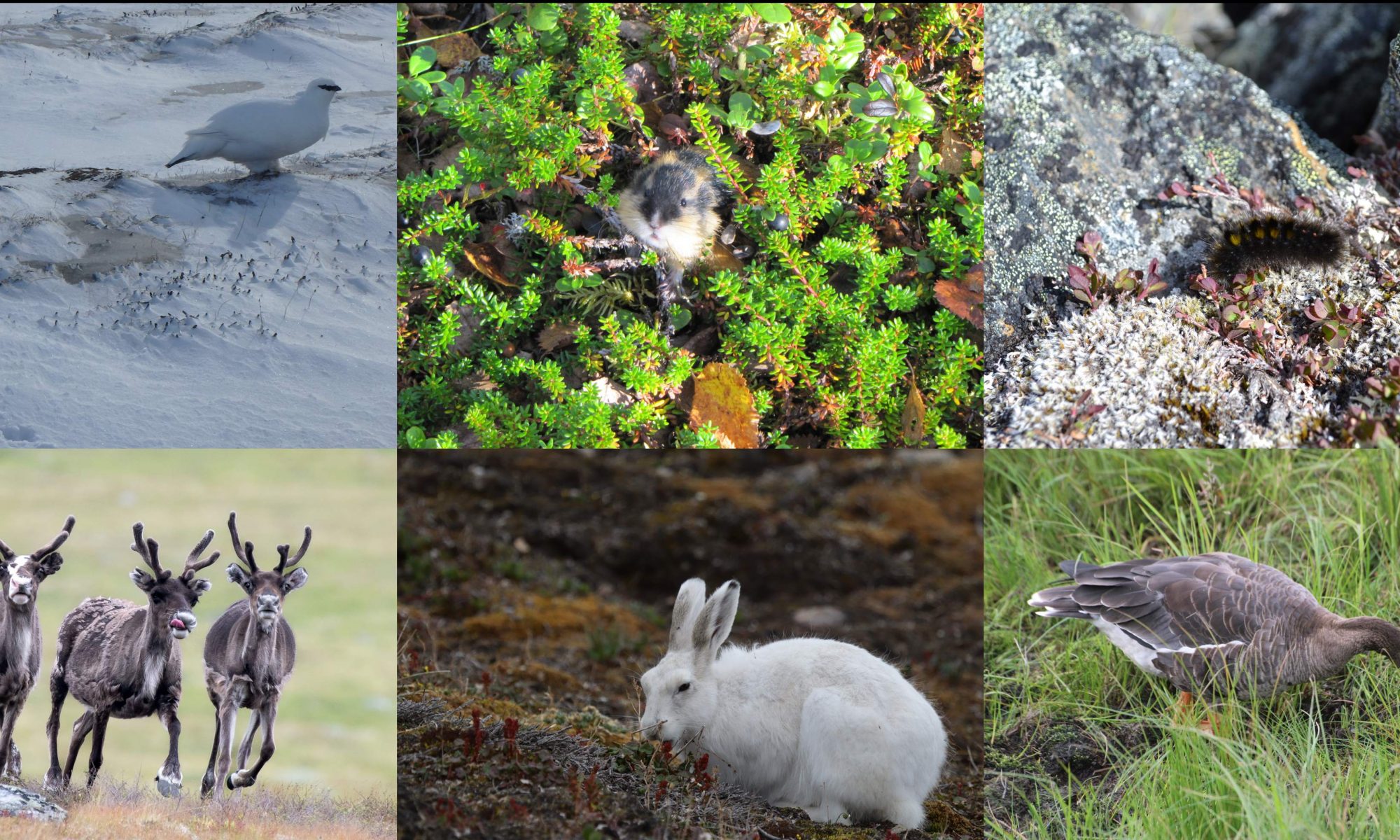
Arctic ecosystems are strongly influenced by herbivores, yet the role of herbivore diversity in shaping ecosystem structure and functioning has been overlooked.  As Arctic herbivore communities respond to rapid environmental changes, a better understanding of the consequences of changes in their diversity is urgently needed.  

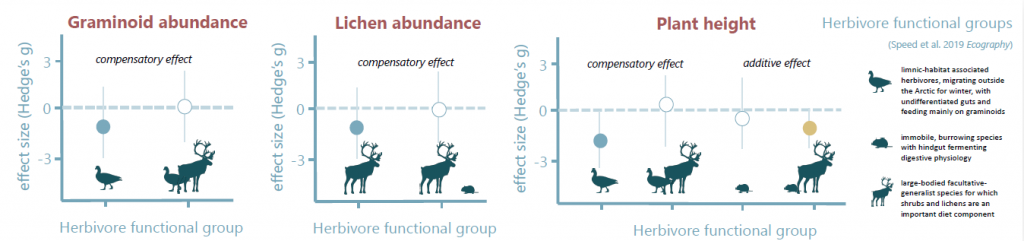
We used a systematic review to synthesize available evidence on the effects of herbivore diversity on tundra ecosystems.  Greater herbivore diversity led to increased abundance of herbivory marks and soil temperature, and to reduced total abundance of plants, graminoids and forbs, plant leaf size, plant height, moss depth, and litter abundance. In some cases, the effects of different functional groups of herbivores added up or compensated each other, leading respectively to stronger or weaker responses than would be expected for each group separately, and were modulated by environmental conditions. 

Herbivore identity modulates the effects of herbivores on tundra ecosystems. In some cases the effects of different groups of herbivores compensate each other, while in others, effects can be additive. Figure: Laura Barbero-Palacios

Current knowledge on the role of herbivore diversity still remains limited and geographically biased towards well-established research locations, with a strong focus on impacts of vertebrate herbivores on vegetation.  Future studies should explicitly address the role of herbivore diversity targeting a broader range of ecosystem responses and explicitly including invertebrate herbivores, to refine predictions on whether and where these shifts could mitigate or further amplify the impact of environmental changes on Arctic ecosystems.

The article is open access and you can find it here. You can also see the database as an interactive map. Please feel free to reach out if you have ideas on future projects using this large database!

Reference: Barbero-Palacios, L., Barrio, I.C., García Criado, M. et al. Herbivore diversity effects on Arctic tundra ecosystems: a systematic review. Environ Evid 13, 6 (2024). https://doi.org/10.1186/s13750-024-00330-9

This project is a contribution to the TUNDRAsalad project funded by the Icelandic Research Fund (Grant nr. 217754) and the CHARTER project funded by European Union’s Horizon 2020 programme (Grant agreement nr. 869471). 

Expansion of voles and retraction of lemmings over 60 years along a latitudinal gradient on Yamal Peninsula

Range shifts and changes in dominance of species in communities are among the major predicted impacts of climate change on ecosystems, supported by numerous modeling studies. While climate is changing particularly rapidly in the Arctic, little observational data is available to document predicted changes in the composition of communities, in particular from the large Russian tundra areas.

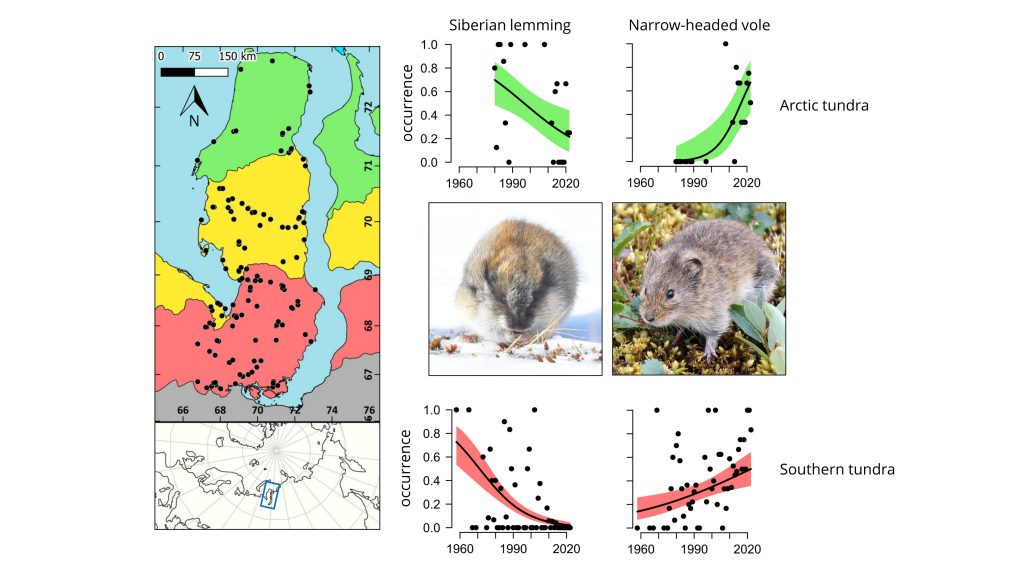
In their recent article in Global Change Biology, Natalia Sokolova and coauthors outlined changes over 60 years in occurrence of nine species of small rodents along a latitudinal gradient spanning from the forest-tundra ecotone to the high Arctic tundra on Yamal Peninsula.

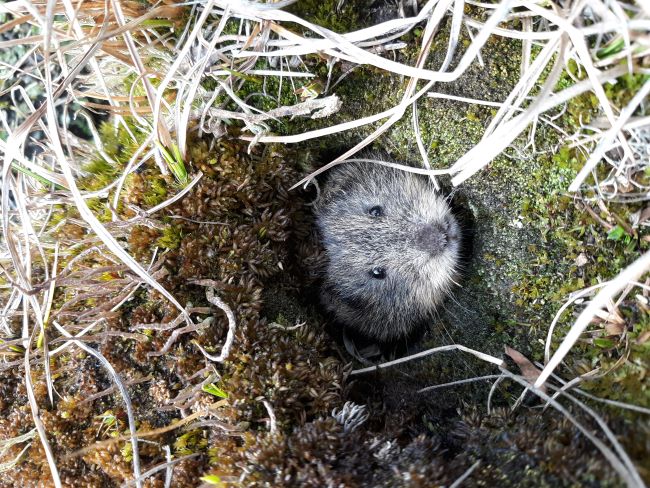
They found that the occurrence of lemmings, specialized arctic endemics, decreased in the southern parts of the peninsula, whereas the occurrence of voles, representing boreal or wide-spread species, increased and expanded northwards.

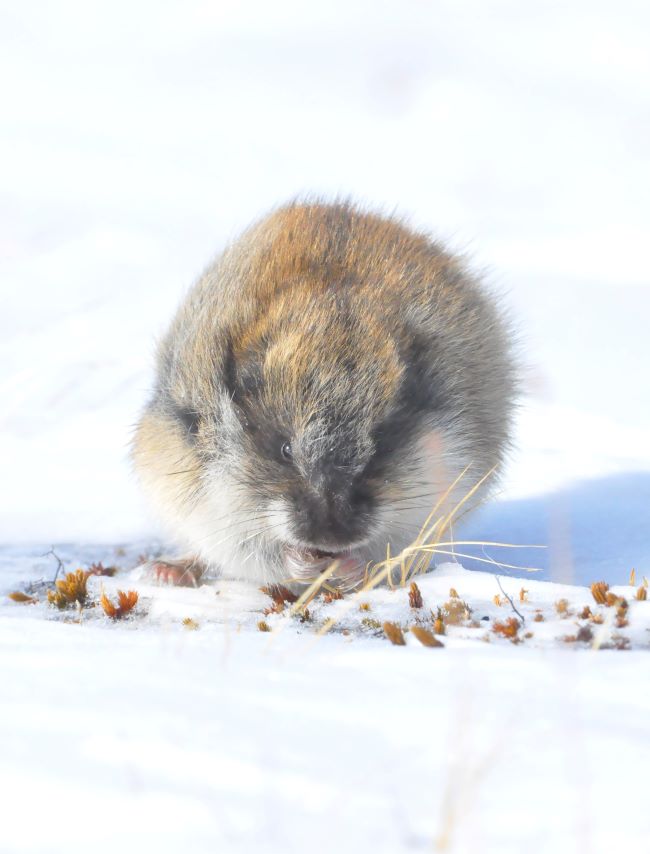
Sokolova et al’s study reports declines in arctic specialist species like the Siberian lemming, especially in the southernmost areas of Yamal peninsula, while widespread species like the narrow-headed vole increased strongly in tundra.

Reference: Sokolova, N. A., Fufachev, I. A., Ehrich, D., Shtro, V. G., Sokolov, V. A., & Sokolov, A. A. (2024). Expansion of voles and retraction of lemmings over 60 years along a latitudinal gradient on Yamal Peninsula. Global Change Biology, 30, e17161. https://doi.org/10.1111/gcb.17161

Small rodent population cycles and plants – after 70 years, where do we go?

Small rodent population cycles characterize northern ecosystems, and the cause of these cycles has been a long-lasting central topic in ecology. While some researchers have rejected plant–herbivore interactions as a cause of rodent cycles, others have continued to research their potential roles.

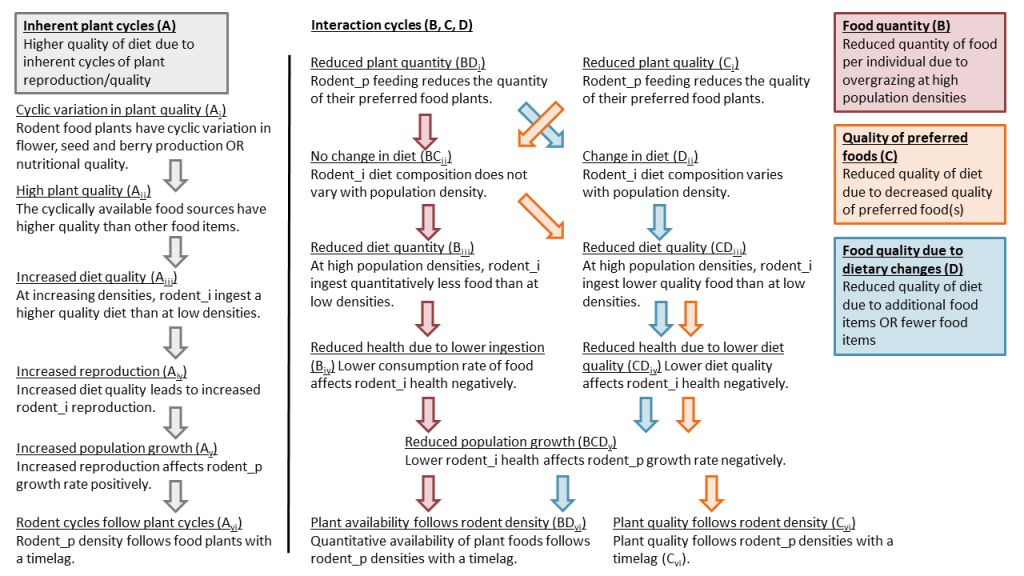
In their recent article in Biological Reviews, Eeva Soininen and Mage Neby outlined four different pathways on how plants could create population cycles in rodents. They reviewed the existing scientific literature, assessing the support to these pathways.

They found studies from the temperate biome to the tundra, but studies were scattered across different plant-rodent combinations, and only a few specific topics were studied repeatedly. They concluded that the literature is currently insufficient to discard with confidence any of the four potential hypotheses for plant-rodent cycles.

Pathways through which plants can create population cycles in rodents.

Reference: Soininen, E.M. and Neby, M., 2023. Small rodent population cycles and plants–after 70 years, where do we go?. Biological Reviews. https://doi.org/10.1111/brv.13021

Photo: L. Johnson

Contrasting impacts of short- and long-term large herbivore exclusion on understory net CO2 exchange in a boreal forest

Trees are the main carbon (C) stocks in boreal forests, but the understory vegetation can contribute significantly to total C balance. In northern boreal pine forests, understories consist of variable habitats with different roles for C balance: often, the understory is a combination of warmer and drier sunlit patches dominated by lichens and more shaded and moister patches dominated by mosses and dwarf shrubs. These habitats are influenced by herbivores that may control canopy and understory vegetation, soil C cycling and, consequently, forest C balance.

We studied how excluding large herbivores (Rangifer tarandus and Alces alces) for short and longer period affects understory CO2 fluxes across sunlit and shaded habitats in a boreal forest. We measured understory CO2 fluxes with manual and automated chamber methods across sunlit and shaded habitats in grazed and ungrazed areas over the growing seasons of 2019 and 2020. We used fences that had excluded large herbivores for one year and for 25 years alongside the adjacent grazed area at Oulanka research station in northeastern Finland.

We found that CO2 release increased in shaded habitats when large herbivores were excluded for one year. On the other hand, when large herbivores were excluded for over two decades, CO2 fluxes decreased to some extent, and this was independent of a habitat type. Our findings suggest that impacts of large herbivores on CO2 fluxes may vary over time and be opposite in short term compared to long term. Considering these temporal variations in grazing impacts may help to forecast C fluxes more accurately, which may be relevant for informed climate solutions.

The article is open access and you can find the full text here.

Reference: Kantola, N., Väisänen, M. Leffler, A.J., Welker, J.M. Contrasting impacts of short- and long-term large herbivore exclusion on understory net CO2 exchange in a boreal forest. Ecography
https://doi.org/10.1111/ecog.06724


Text and photograph: Noora Kantola, University of Oulu