Emerging priorities in terrestrial herbivory research in the Arctic

Research on Arctic herbivory has a long tradition, but recent literature syntheses have highlighted important knowledge gaps. Given the rapid pace of climate change in the Arctic and the limited resources available, prioritizing research and management efforts is an urgent task. To identify emerging scientific and management priorities in Arctic herbivory research for the next decade, and as a contribution to the fourth International Conference on Arctic Research Planning (ICARP IV) we conducted a horizon scan within the Arctic herbivory research community.

We collected nearly 300 suggestions from 85 experts through online surveys and an in-person workshop. After analyzing their responses, we identified eight key scientific priorities and eight key management priorities centred on (a) understanding and integrating fundamental ecological processes across multiple scales from individual herbivore–plant interactions up to regional and decadal scale vegetation and animal population effects; (b) evaluating climate change feedbacks; and (c) developing new research methods. Our analysis provides a strategic framework for broad, inclusive, interdisciplinary collaborations to optimise terrestrial herbivory research and sustainable management practices in a rapidly changing Arctic.

The resulting paper is available as an open access publication in Arctic Science: BARRIO, I.C., VUORINEN, K.E.M.V., BARBERO-PALACIOS, L., DEFOURNEAUX, M., PETIT BON, M., GREER, E.A., ANDERSON, H., HORSTKOTTE, T., LECOMTE, N., WINDIRSCH, T., FERRARO, K., FORBES, B.C., FORBEY, J.S., GARCÍA CRIADO, M., HAGENBERG, L., HIK, D., KATER, I., MACEK, P., MOEN, J., SUNDQVIST, M.K., SZEJGIS, J., VILLOSLADA, M., ZAJA, E., BERTHELOT, F., BJÖRNSDÓTTIR, K., CUNOW, J., DEN HERDER, M., ESKELINEN, A., HAYES, K., HOLLISTER, R.D., Í HARALDSSTOVU, K., JÓNSDÓTTIR, I.S., KRISTENSEN , J.A., LAMERIS, T., OKSANEN, L., OKSANEN, T., OLOFSSON, J., PARK, T., PEDERSEN, Å.Ø., RAMIREZ, J.I., RAVOLAINEN, V.T., ROY, A., RYDE, I., SCHMIDT, N.M., SCHROFNER-BRUNNER, B., SKARIN, A., SPEED, J., TE BEEST, M., TILLMAN, M., TINOCO TORRES, R., TRAYLOR, W., VIRTANEN, R., WHEELER, H.C., ALATALO, J.M., AXMACHER, J.C., BARTOLOMÉ FILELLA, J., COOPER, E., GEANGE, S., GILG, O., GROGAN, P., HERNÁNDEZ-CASTELLANO, C., HØYE, T., KERBY, J.T., KLANDERUD, K., KOLTZ, A.M., LANG, J., LE MOULLEC, M., LOONEN, M.J.J.E., MACIAS-FAURIA, M., POST, E., SERRANO, E., SIEWERT, M., SOKOLOV, A., SOKOLOVA, N., SUOMINEN, O., TAMAYO, M., TEREKHINA, A., VOLKOVITSKIY, A., KAMENOVA, S. (2025) Emerging priorities in terrestrial herbivory research in the Arctic. Arctic Science 11: 1-26 link to publisher

The horizon scan exercise was a long process that included brainstorming at the HN meeting organized in Cambridge Bay in June 2023, two online surveys and one in-person workshop organized in parallel to the Nordic Society Oikos conference in Lund, in March 2024.

Funding to support the participation of early career scientists to the HN meeting in Cambridge Bay and the workshop in Lund was made available through the Terrestrial Working Group of the International Arctic Science Committee.

TExNet workshop in Nuuk

The Tundra Exclosure Network (TExNet) is a coordinated research initiative that aims at understanding the role of herbivore diversity on the functioning of tundra ecosystems. To do this, TExNet has established a network of experimental sites across the tundra, where herbivore diversity is manipulated using size selective exclosures that allow isolating the effects of different herbivores. Setting up an experimental site requires an initial investment and a commitment of at least five years, which can limit the number of participating sites. To expand the geographical spread of the study, an observational protocol was proposed, that required a single visit to the sites, while still collecting data comparable to data collected in the first year of the experiment.

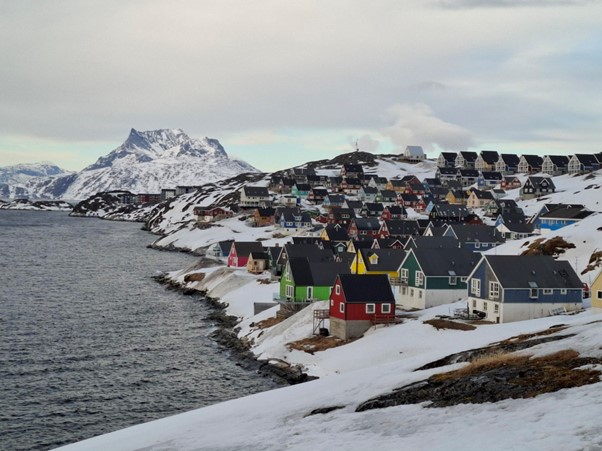
During 2022-2024 data has been collected at six TExNET experimental sites and at 21 additional sites using the observational protocol. Last May 14-19, 2025, part of the TExNet team got together in Nuuk to compile and start analysing the first dataset collected across TExNet sites. The workshop was hosted by the Greenland Institute of Natural Resources. The workshop took place in Nuuk for the first two days at the facilities of GINR, while the last three days part of the team went on a writing retreat to Kapisillit.

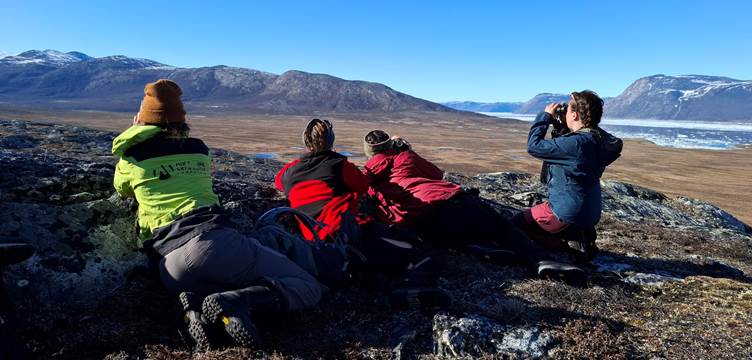
TExNet team looking for herbivores near Kapisillit

During the workshop, the team compiled and curated the database, which is now almost ready for analyses. The different possibilities for analyses were discussed, as well as the opportunities for future data collection and collaboration across the network.  

Funding to organize this workshop was provided by the 2024 UArctic Project Call for Networking Activities on UArctic Research and Education, for the project: “Implications of changes in tundra herbivore diversity -West Greenland in a multiscale circumpolar experiment” led by Mathilde Le Moullec. This project will also help set up two TExNet experimental sites in West Greenland. Support for early career researchers to travel to the workshop was provided by the Nordic Borealization Network (NordBorN) funded by NordForsk (project nr. 164079).

You can read more about the workshop in the TExNet workshop report.

Job opportunities with GINR

Deadline: June 9, 2025.

The Greenland Institute of Natural Resources is looking for a Researcher in GIS and Remote Sensing  and an Advisor in terrestrial biology. Deadline for applications for both positions is June 9!

Both positions are hosted at the Department of Environment and Mineral Resources of the Greenland Institute of Natural Resources. The Greenland Institute of Natural Resources advises the Government of Greenland on issues related to living resources and natural conditions. The tasks in the department consist of advice and monitoring on the protection of the environment and nature through mineral resource activities, monitoring of the terrestrial environment under climate change, and work with data on the seabed, nature and environment in Greenland. 

If you have further questions, you can ask Mathilde Le Moullec.

Request for input: Net-Works! in Ecology

Research networks, including coordinated distributed experiments, have become a key way to conduct ecological research, yet we have limited understanding of their drivers of success. Such networks are founded on the participation of persons like you who implement research methods in a coordinated way.

Some colleagues are asking researchers involved in collaborative research networks to answer a survey to understand the motivations, perceptions and satisfaction of participants in such initiatives. They are gathering information across 53 ecological networks, and have asked HN members to participate. Deadline for completing their survey is June 8!

As a HN member, you should have received an email with the link to the survey and a bit more information about the project. If you have not, please let us know and we can resend it!

Large herbivores shift trophic interactions in the Fennoscandian tundra

Large herbivores play a crucial role in maintaining vegetation structure and composition of Arctic ecosystems in times of global change by grazing and trampling on plants and moving nutrients across the landscape. However, the role of herbivores in shaping the size of ecological communities and overall biodiversity in the Arctic is poorly understood. 

Measuring ecological communities and biodiversity is a challenge difficult to overcome because it requires the extensive participation of researchers with deep taxonomic knowledge to conduct field inventories. An alternative approach entails employing existing indexes that indicate the number of organisms that interact with a particular plant species. In this study, we coupled vegetation data from a network of plots scattered across the Fennoscandian tundra with an index developed for Swedish flora to understand how herbivores shape ecological communities and overall biodiversity.

We found that herbivores reduce the size of ecological communities by grazing on taller plants which commonly interact with a higher number of species. Our study highlights the importance of preserving reindeer and moose populations in the Arctic to conserve the vegetation structure and biodiversity of the tundra.

The article is Open Access and you can find the full text here.

Reference: Ramirez, J.I., Sundqvist, M., Lindén, E., Björk, R.G., Forbes, B.C., Suominen, O., Tyler, T., Virtanen, R. and Olofsson, J. (2024), Reindeer grazing reduces climate-driven vegetation changes and shifts trophic interactions in the Fennoscandian tundra. Oikos e10595. https://doi.org/10.1111/oik.10595


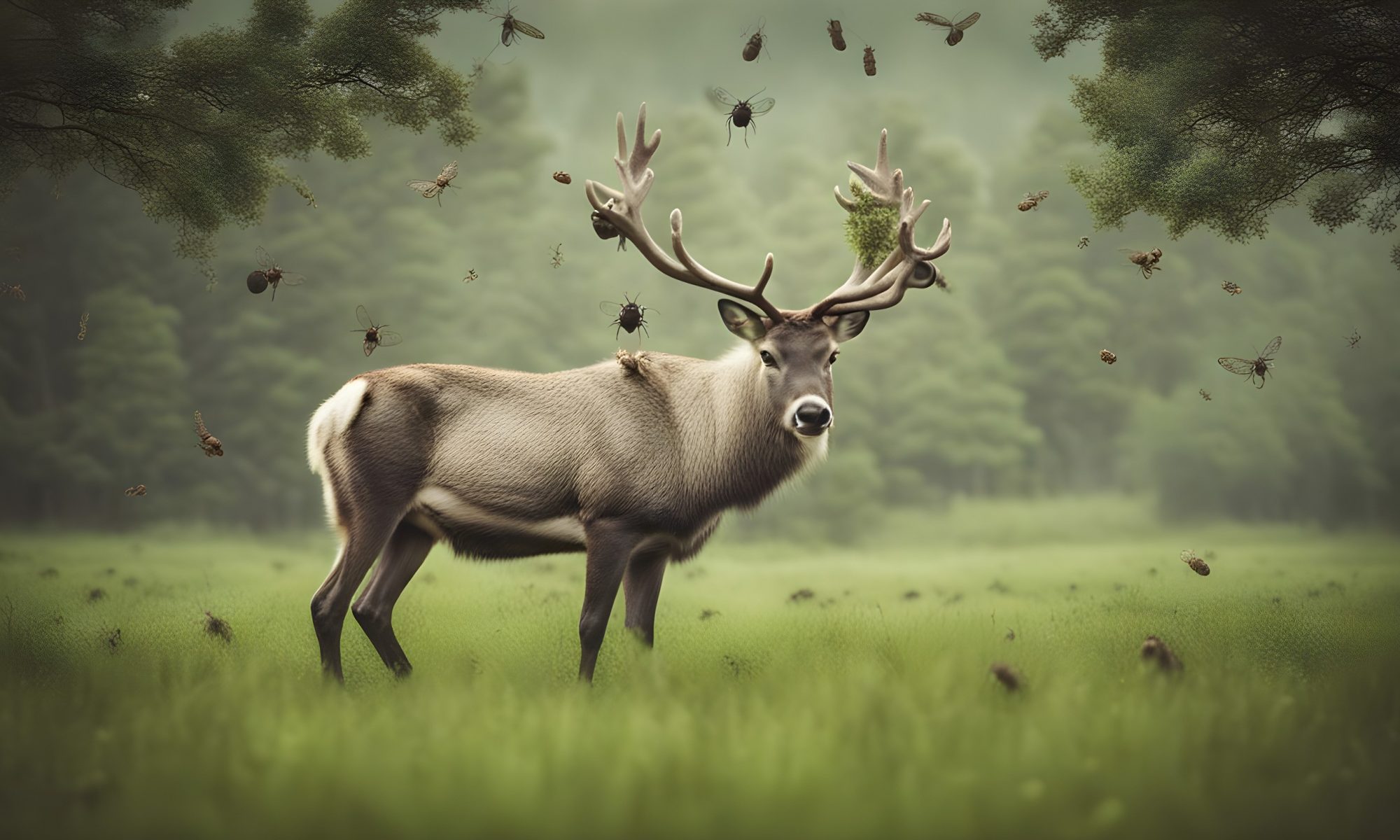
Text: Juan Ignacio Ramirez; Image generated by AI.

New funding from UArctic project call!

Congratulations to Mathilde Le Moullec, at the Greenland Institute of Natural Resources, who secured funding through the 2024 UArctic Project Call for Networking Activities on Arctic Research and Education! Her project, titled “Implications of changes in tundra herbivore diversity – West Greenland in a multiscale circumpolar experiment” is one of the three projects that will receive funding from the Danish Ministry of Higher Education and Science for the next two years (2024-2026). 

The project includes partners from the University of Helsinki, the Agricultural University of Iceland, Aarhus University, University of Eastern Finland and the Norwegian University of Science and Technology, and will help set up a TExNet site in W Greenland!

Implications of changes in tundra herbivore diversity – West Greenland in a multiscale circumpolar experiment

Herbivory is a key ecological process modifying arctic ecosystems’ response to climate change, and herbivores are extremely important for the livelihoods of most northern communities, including Greenland. The aim of the project is to understand the drivers and consequences of changing vertebrate herbivore diversity across environmental gradients in the tundra biome. We apply for funding to set up an experimental site in West Greenland following the standardized protocols developed by the Tundra Exclosure Network (TExNet) and contribute to a larger research effort implementing a common sampling design at multiple sites across the Arctic. The project will not only deliver local knowledge for direct management advice to the Ministries, it will also improve our understanding of the role of herbivore diversity in tundra ecosystems, while strengthening circumpolar scientific cooperation.

HN workshop in Lund 2024

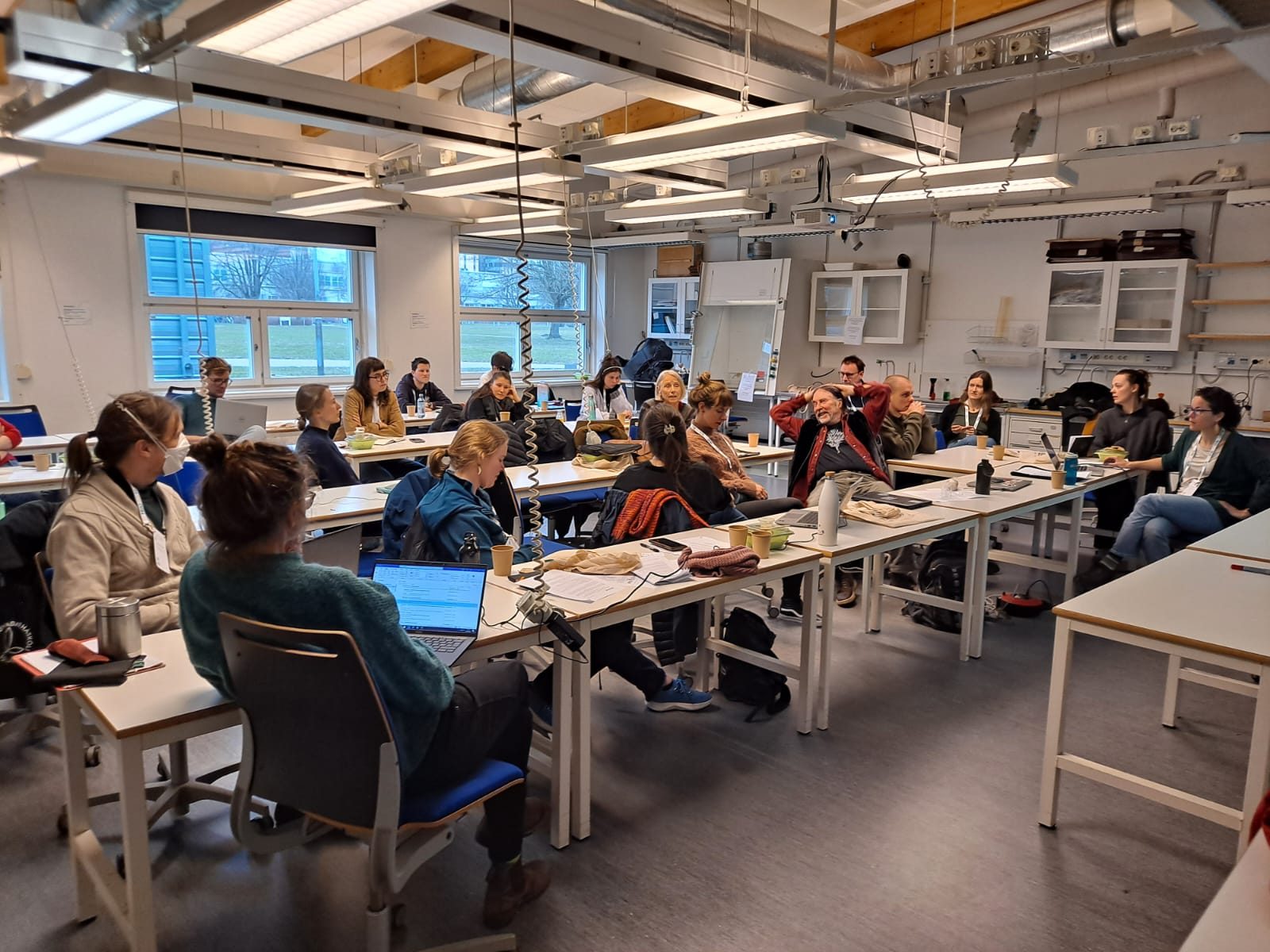
After 10 years of contributing to circumpolar research on plant-herbivore interactions, the Herbivory Network is using a horizon scan to identify research priorities in Arctic herbivory for the coming decade. As part of this process, the Herbivory Network organized a one-day in-person workshop, as a pre-conference activity, parallel to the Nordic Society Oikos conference held in Lund, March 12-15, 2024.

During the workshop, participants worked on refining the emerging themes and determining key action points for Arctic herbivory research in the next decade, based on feedback received from Arctic herbivory experts through an online survey. You can find more information about the project here.

The workshop was organized by Isabel C Barrio (Agricultural University of Iceland), Stefaniya Kamenova (University of Oslo) and Helen Anderson (University of Aberdeen). Registration for the workshop was open through the portal of the NSO conference, ensuring a broader participation than from network members alone. A total of 26 researchers participated in the workshop, many of them early career scientists.

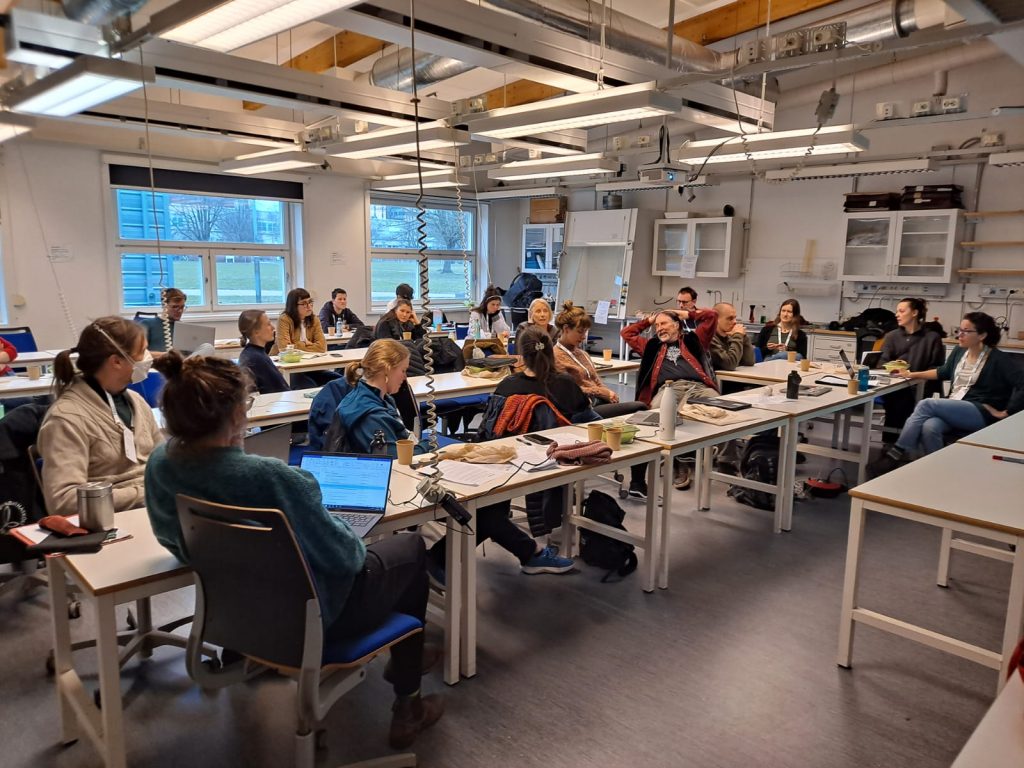
The Herbivory Network workshop was organized as part of the activities of the Nordic Oikos Society conference 2024 held in Lund. The workshop took place in the Ecology Building of the University of Lund. A total of 26 researchers participated in the workshop (photo: Laura Barbero-Palacios)

You can find here some documents relevant to the meeting:

Funding and support

This project has been endorsed by the International Arctic Science Committee as an ICARP IV activity. Funding to support the participation of early career scientistsin this workshop has been made available by the Terrestrial Working Group of the International Arctic Science Committee (IASC). Many of the discussions held during the meeting contribute to the TUNDRAsalad project (grant nr. 217754), funded by the Icelandic Research Fund.

Systematic review of the effects of herbivore diversity on tundra ecosystems

As part of the TUNDRAsalad project and as a follow up on the HN work on the systematic map of herbivore studies in the Arctic, we conducted a systematic review to synthesize the effects of herbivore diversity on tundra ecosystem functioning. We first published a protocol for conducting the systematic review that we then used to actually do the review.

The project was coordinated by Laura Barbero Palacios.

Publications related to the systematic review

BARBERO-PALACIOS, L., BARRIO, I.C., GARCÍA CRIADO, M., KATER, I., PETIT BON, M., KOLARI, T.H.M., BJØRKÅS, R., TREPEL, J., LUNDGREN, E., BJÖRNSDÓTTIR, K., HWANG, B.C., BARTRA-CABRÉ, L., DEFOURNEAUX, M., RAMSAY, J., LAMERIS, T.K., LEFFLER, A.J., LOCK, J.G., KUOPPAMAA, M.S., KRISTENSEN, J.A., BJORKMAN, A.D., MYERS-SMITH, I., LECOMTE, N., AXMACHER, J.C., GILG, O., DEN HERDER, M., PAGNEUX, E.P., SKARIN, A., SOKOLOVA, N., WINDIRSCH, T., WHEELER, H.C., SERRANO, E., VIRTANEN, T., HIK, D.S., KAARLEJÄRVI, E., SPEED, J.D.M., SOININEN, E. (2024) Herbivore diversity effects on Arctic tundra ecosystems – a systematic review. Environmental Evidence 13(1):6 https://doi.org/10.1186/s13750-024-00330-9

BARRIO, I.C., BARBERO-PALACIOS, L., KAARLEJÄRVI, E., SPEED, J.D.M., HEIÐMARSSON, S., HIK, D.S., SOININEN, E.M. (2022) What are the effects of herbivore diversity on tundra ecosystems? A systematic review protocol. Environmental Evidence 11:1 https://doi.org/10.1186/s13750-022-00257-z

The identity of the herbivore community shapes vegetation in Arctic tundra — but isolating the effects of herbivore diversity remains challenging

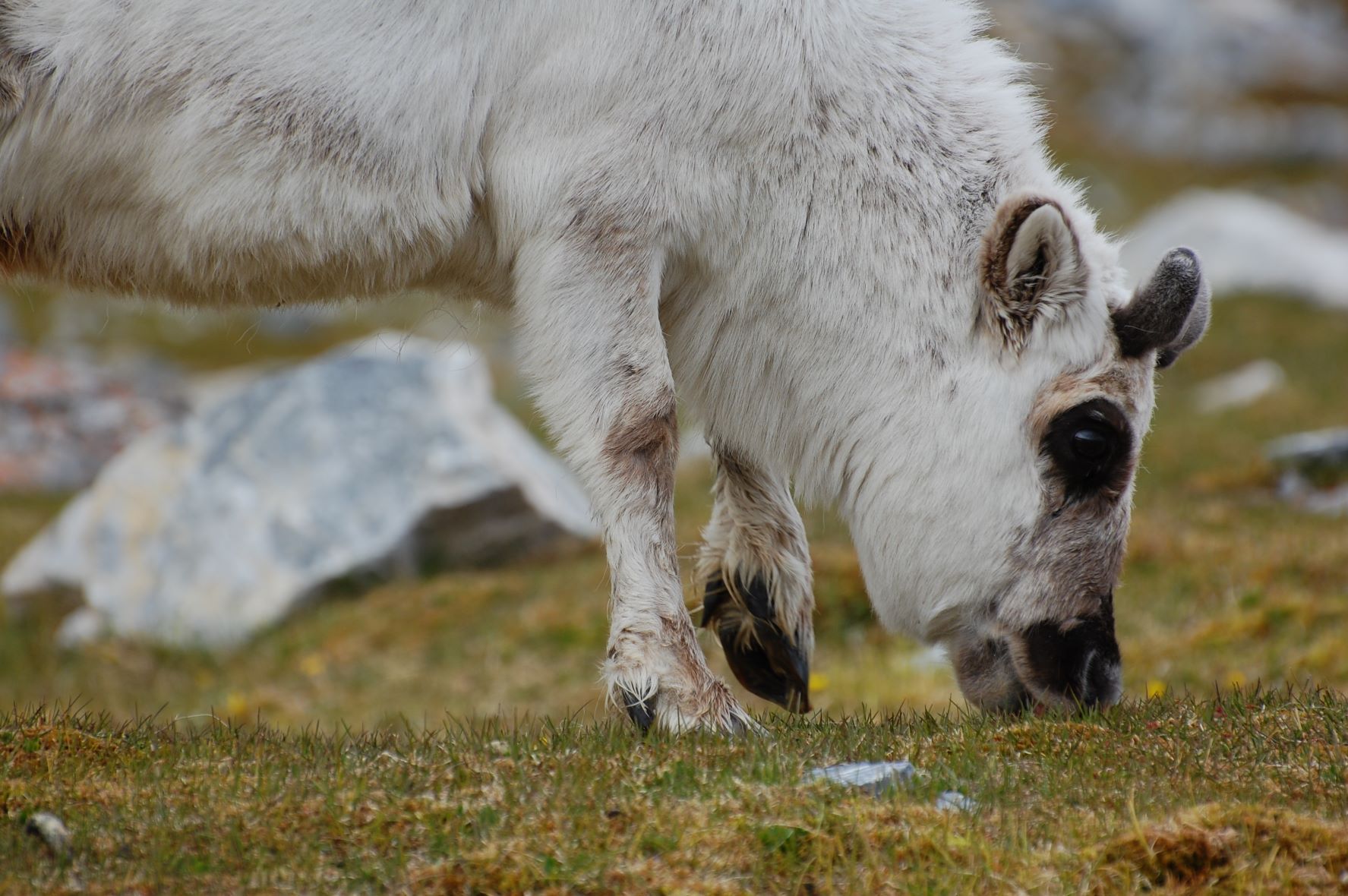
photo: Eeva Soininen

Arctic ecosystems are strongly influenced by herbivores, yet the role of herbivore diversity in shaping ecosystem structure and functioning has been overlooked.  As Arctic herbivore communities respond to rapid environmental changes, a better understanding of the consequences of changes in their diversity is urgently needed.  

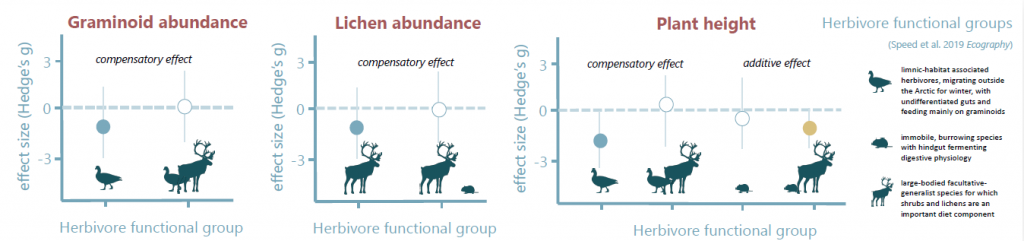
We used a systematic review to synthesize available evidence on the effects of herbivore diversity on tundra ecosystems.  Greater herbivore diversity led to increased abundance of herbivory marks and soil temperature, and to reduced total abundance of plants, graminoids and forbs, plant leaf size, plant height, moss depth, and litter abundance. In some cases, the effects of different functional groups of herbivores added up or compensated each other, leading respectively to stronger or weaker responses than would be expected for each group separately, and were modulated by environmental conditions. 

Herbivore identity modulates the effects of herbivores on tundra ecosystems. In some cases the effects of different groups of herbivores compensate each other, while in others, effects can be additive. Figure: Laura Barbero-Palacios

Current knowledge on the role of herbivore diversity still remains limited and geographically biased towards well-established research locations, with a strong focus on impacts of vertebrate herbivores on vegetation.  Future studies should explicitly address the role of herbivore diversity targeting a broader range of ecosystem responses and explicitly including invertebrate herbivores, to refine predictions on whether and where these shifts could mitigate or further amplify the impact of environmental changes on Arctic ecosystems.

The article is open access and you can find it here. You can also see the database as an interactive map. Please feel free to reach out if you have ideas on future projects using this large database!

Reference: Barbero-Palacios, L., Barrio, I.C., García Criado, M. et al. Herbivore diversity effects on Arctic tundra ecosystems: a systematic review. Environ Evid 13, 6 (2024). https://doi.org/10.1186/s13750-024-00330-9

This project is a contribution to the TUNDRAsalad project funded by the Icelandic Research Fund (Grant nr. 217754) and the CHARTER project funded by European Union’s Horizon 2020 programme (Grant agreement nr. 869471). 

PhD position with the Nordic Borealization Network at the University of Eastern Finland

Deadline: April 15, 2024

Are you looking for an exciting PhD position in remote sensing? This might be your opportunity to join the NordBorN team at the University of Eastern Finland!

The UEF NordBorN team coordinated by Prof Timo Kumpula is looking for a highly motivated and skilled PhD researcher. The successful PhD applicant will work with multiple scale (from drones to satellite) remote sensing of shrub encroachment processes and treeline dynamics in tundra ecosystems. The candidate is expected to have skills in remote sensing and machine learning. The position entails both office work and field work.

The UEF NordBorN team welcomes candidates with background in geography, ecology, environmental sciences, geoinformatics and computer sciences. The position will provide a unique opportunity to be part of a large, active international team and participate in project meetings in different countries over the course of the project.

The PhD researcher will be based at the Joensuu campus of the University of Eastern Finland, at the Department of Geography and Historical Studies, and will work closely with Timo Kumpula and Miguel Villoslada and other members of the Digital Geosciences research group.

The deadline for applications is April 15, 2024 and the position will start as soon as possible after May 15, 2024. The position has an initial duration of 20 months. The candidate will actively engage in funding acquisition with supervisors to ensure the full funding of PhD.

Applications should include:

  • Cover letter that explains how your research interests and experience align with the position
  • CV or resume, including relevant experience
  • List of two professional references and their contact information

Applications should be submitted through the electronic system of the University of Eastern Finland.

Please do not hesitate to contact Prof. Timo Kumpula or Miguel Villoslada if you have any questions.