Are you looking for an exciting PhD position in remote sensing? This might be your opportunity to join the NordBorN team at the University of Eastern Finland!
The UEF NordBorN team coordinated by Prof Timo Kumpula is looking for a highly motivated and skilled PhD researcher. The successful PhD applicant will work with multiple scale (from drones to satellite) remote sensing of shrub encroachment processes and treeline dynamics in tundra ecosystems. The candidate is expected to have skills in remote sensing and machine learning. The position entails both office work and field work.
The UEF NordBorN team welcomes candidates with background in geography, ecology, environmental sciences, geoinformatics and computer sciences. The position will provide a unique opportunity to be part of a large, active international team and participate in project meetings in different countries over the course of the project.
The PhD researcher will be based at the Joensuu campus of the University of Eastern Finland, at the Department of Geography and Historical Studies, and will work closely with Timo Kumpula and Miguel Villoslada and other members of the Digital Geosciences research group.
The deadline for applications is April 15, 2024 and the position will start as soon as possible after May 15, 2024. The position has an initial duration of 20 months. The candidate will actively engage in funding acquisition with supervisors to ensure the full funding of PhD.
Applications should include:
Cover letter that explains how your research interests and experience align with the position
CV or resume, including relevant experience
List of two professional references and their contact information
Applications should be submitted through the electronic system of the University of Eastern Finland.
Range shifts and
changes in dominance of species in communities are among the major predicted
impacts of climate change on ecosystems, supported by numerous modeling
studies. While climate is changing particularly rapidly in the Arctic, little
observational data is available to document predicted changes in the
composition of communities, in particular from the large Russian tundra areas.
In their recent
article in Global Change Biology, Natalia Sokolova and coauthors outlined
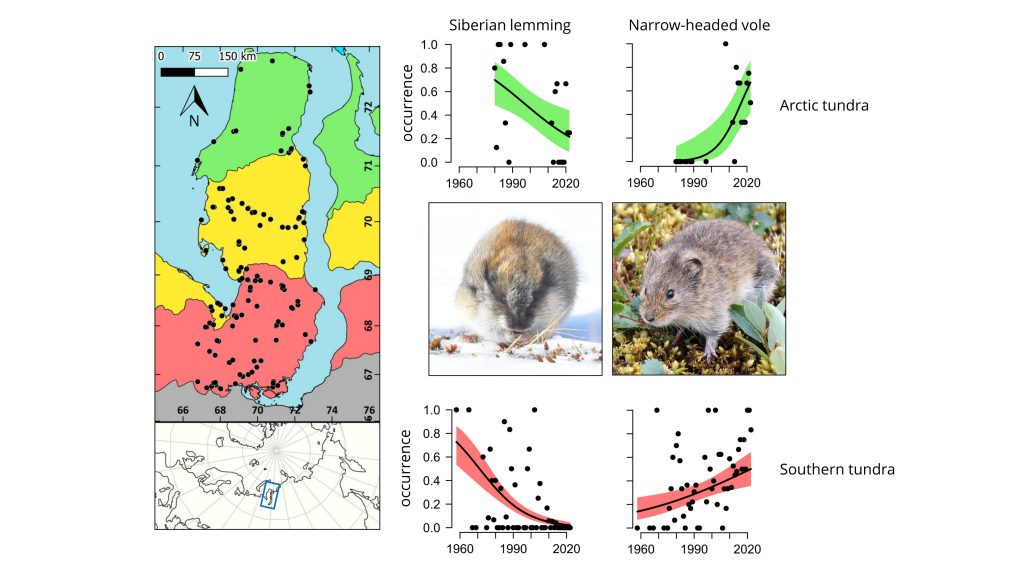
changes over 60 years in occurrence of nine species of small rodents along a
latitudinal gradient spanning from the forest-tundra ecotone to the high Arctic
tundra on Yamal Peninsula.
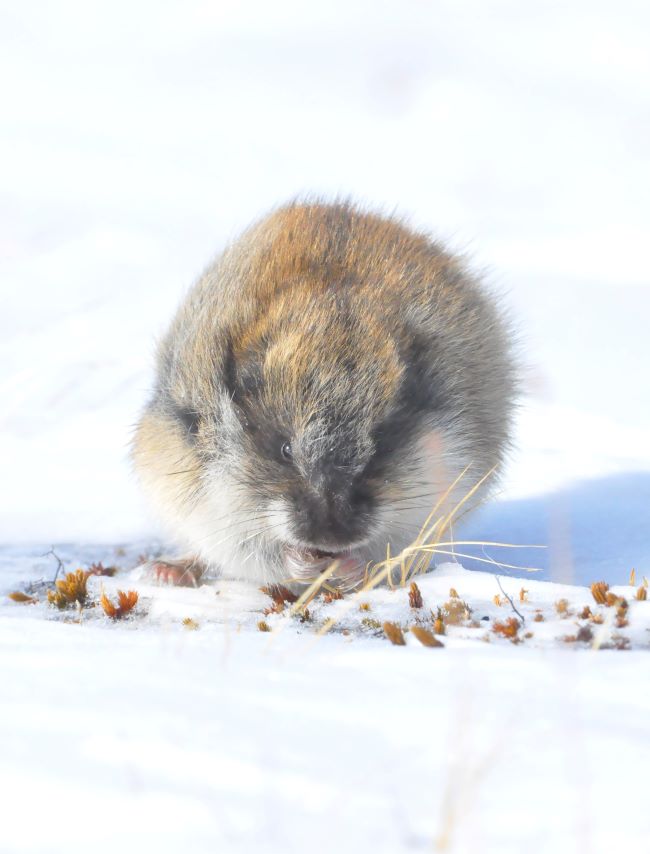
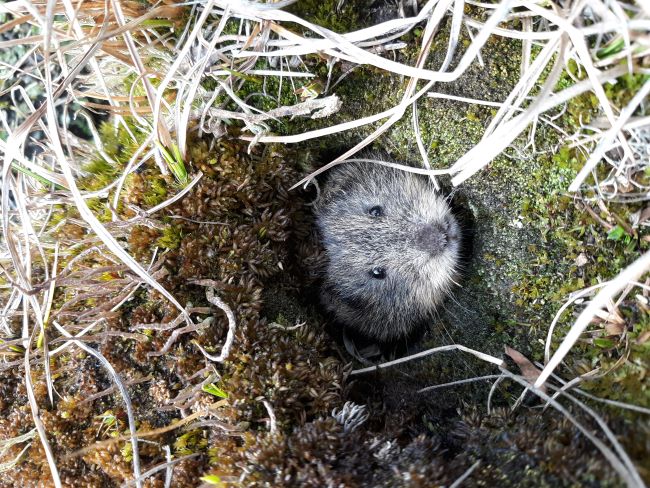
They found that the occurrence of lemmings, specialized arctic endemics, decreased in the southern parts of the peninsula, whereas the occurrence of voles, representing boreal or wide-spread species, increased and expanded northwards.
Sokolova et al’s study reports declines in arctic specialist species like the Siberian lemming, especially in the southernmost areas of Yamal peninsula, while widespread species like the narrow-headed vole increased strongly in tundra.
Reference: Sokolova, N. A., Fufachev, I. A., Ehrich, D., Shtro, V. G., Sokolov, V. A., & Sokolov, A. A. (2024). Expansion of voles and retraction of lemmings over 60 years along a latitudinal
gradient on Yamal Peninsula. Global Change Biology, 30, e17161. https://doi.org/10.1111/gcb.17161
The project “Herbivores in the tundra: linking diversity and function (TUNDRAsalad)” was a three-year project (2021-2023) funded by the Icelandic Research Fund, that investigated the role of herbivore diversity in tundra ecosystems. The project was led by Isabel C Barrio at the Agricultural University of Iceland.
Partners included Elina Kaarlejärvi (University of Helsinki), Eeva Soininen (UiT The Arctic University of Norway), James Speed (Norwegian University of Science and Technology), David Hik (Simon Fraser University), Mathilde Defourneaux (Agricultural University of Iceland), Laura Barbero Palacios (Agricultural University of Iceland), Noémie Boulanger-Lapointe (University of Iceland), Ingibjörg Svala Jónsdóttir (University of Iceland), Toke Hoye (Aarhus University), Sasha Sokolov (Russian Academy of Sciences), Johan Olofsson (Umeå University), Emmanuel Pagneux (Agricultural University of Iceland), Bryndís Marteinsdóttir (Soil Conservation Service of Iceland), Kari Anne Bråthen (UiT The Arctic University of Norway), Dorothee Ehrich (UiT The Arctic University of Norway), Jón Guðmundsson (Agricultural University of Iceland), Bruce Forbes (University of Lapland) and Timo Kumpula (University of Eastern Finland).
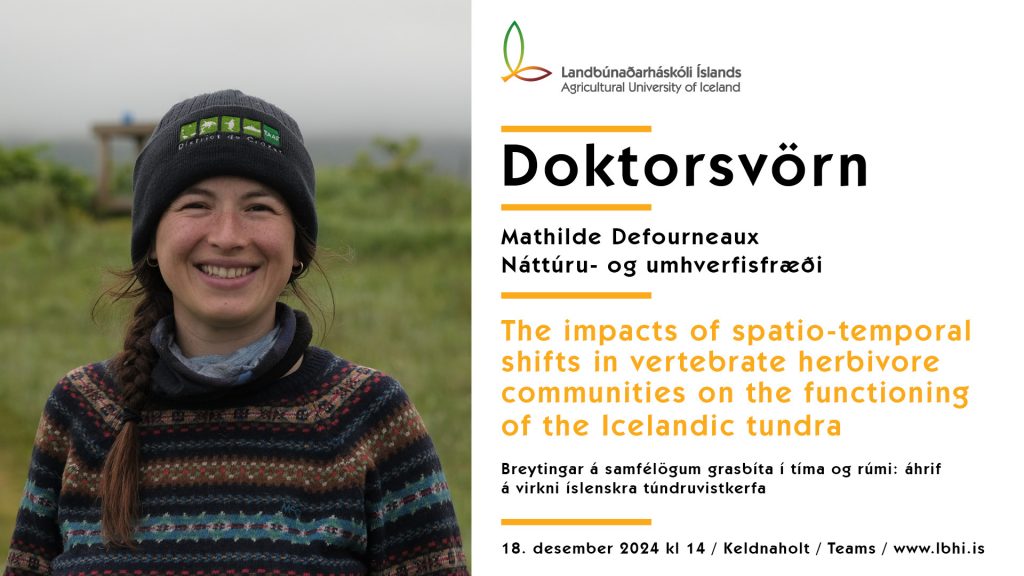
As part of the TUNDRAsalad project, Mathilde Defourneaux developed her PhD project focusing on the effects of changing herbivore communities in Iceland. Mathilde’s PhD, titled “The impacts of spatio-temporal shifts in vertebrate herbivore communities on the functioning of the Icelandic tundra” is available here.
Mathilde Defourneaux defended her PhD at the Agricultural University of Iceland in December 2024
You can read more about the TUNDRAsalad project here.
Publications from the TUNDRAsalad project
DEFOURNEAUX, M., BARBERO-PALACIOS, L., SCHOELYNCK, J., BOULANGER-LAPOINTE, N., SPEED, J.D.M., BARRIO, I.C. (2025) Capturing seasonal variations in faecal nutrient content from tundra herbivores using Near Infrared Reflectance Spectroscopy. Science of the Total Environment 981: 179548 https://doi.org/10.1016/j.scitotenv.2025.179548
BARBERO-PALACIOS, L., BARRIO, I.C., GARCÍA CRIADO, M., KATER, I., PETIT BON, M., KOLARI, T.H.M., BJØRKÅS, R., TREPEL, J., LUNDGREN, E., BJÖRNSDÓTTIR, K., HWANG, B.C., BARTRA-CABRÉ, L., DEFOURNEAUX, M., RAMSAY, J., LAMERIS, T.K., LEFFLER, A.J., LOCK, J.G., KUOPPAMAA, M.S., KRISTENSEN, J.A., BJORKMAN, A.D., MYERS-SMITH, I., LECOMTE, N., AXMACHER, J.C., GILG, O., DEN HERDER, M., PAGNEUX, E.P., SKARIN, A., SOKOLOVA, N., WINDIRSCH, T., WHEELER, H.C., SERRANO, E., VIRTANEN, T., HIK, D.S., KAARLEJÄRVI, E., SPEED, J.D.M., SOININEN, E. (2024) Herbivore diversity effects on Arctic tundra ecosystems – a systematic review. Environmental Evidence 13(1):6 https://doi.org/10.1186/s13750-024-00330-9
DEFOURNEAUX, M., BARRIO, I.C., BOULANGER-LAPOINTE, N., SPEED, J.D.M. (2024) Long-term changes in herbivore community and vegetation impact of wild and domestic herbivores across Iceland. AMBIO 53(8): 1124–1135 https://doi.org/10.1007/s13280-024-01998-6
BOULANGER-LAPOINTE, N., ÁGÚSTSDÓTTIR, K., BARRIO, I.C., DEFOURNEAUX, M., FINNSDÓTTIR, R., JÓNSDÓTTIR, I.S., MARTEINSDÓTTIR, B., MITCHELL, C., MÖLLER, M., NIELSEN, Ó.K., SIGFÚSSON, A.Þ., ÞÓRISSON, S.Þ., HUETTMANN, F. (2022) Herbivore species coexistence in changing rangeland ecosystems: first high resolution national open-source and open-access ensemble models for Iceland. Science of the Total Environment 845:157140 https://doi.org/10.1016/j.scitotenv.2022.157140
SOININEN, E.M., BARRIO, I.C., BJØRKÅS, R., BJÖRNSDÓTTIR, K., EHRICH, D., HOPPING, K.A., KAARLEJÄRVI, E., KOLSTAD, A.L., ABDULMANOVA, S., BJÖRK, R.G., BUENO, C.G., EISCHEID, I.,, FINGER-HIGGENS, R., FORBEY, J.S., GIGNAC, C., GILG, O., DEN HERDER, M., HOLM, H.S., HWANG, B.C., JEPSEN, J.U., KAMENOVA, S., KATER, I., KOLTZ, A.M.,, KRISTENSEN, J.A., LITTLE, C.J., MACEK, P., MATHISEN, K.M., METCALFE, D.B., MOSBACHER, J.B., MÖRSDORF, M., PARK, T., PROPSTER, J.R., ROBERTS, A.J., SERRANO, E., SPIEGEL, M.P., TAMAYO, M., TUOMI, M.W., VERMA, M., VUORINEN, K.E.M., VÄISÄNEN, M., VAN DER WAL, R., WILCOTS, M.E., YOCCOZ, N.G., SPEED, J. D. (2021) Location of studies and evidence of effects of herbivory on Arctic vegetation: a systematic map. Environmental Evidence 10:25 https://doi.org/10.1186/s13750-021-00240-0
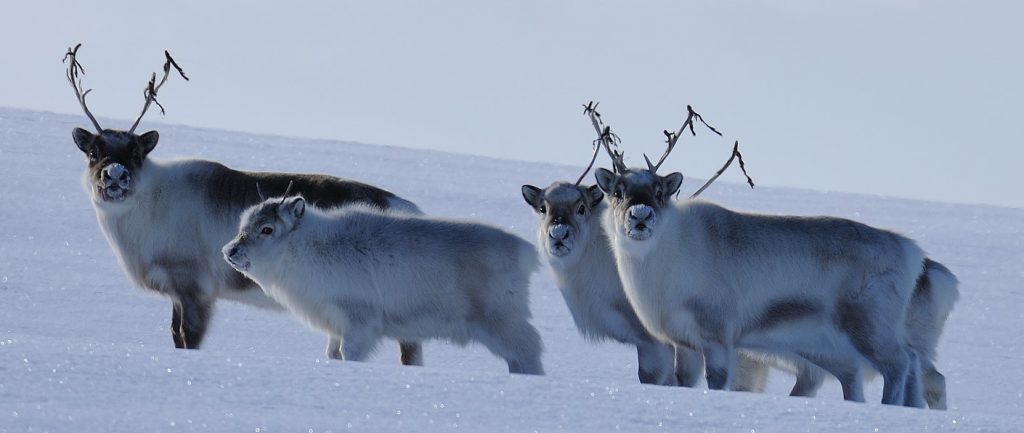
Despite the importance of herbivory for ecosystem functioning, the direct assessment of plant-herbivore interactions is still not part of current monitoring efforts. Our preliminary analysis of Svalbard reindeer diet revealed considerable discrepancy in the estimated proportion of ingested plant species using micro-histology of plant fragments, compared to modern DNA metabarcoding and stable isotopes methods, thus calling for the rigorous assessment of these three methods.
The PIECEMEAL project, led by Stefaniya Kamenova at the Norwegian University of Life Sciences (NMBU) was funded by the Svalbard Science Forum, and brought together six international experts from Norway, France, Spain, Finland, USA and Sweden in each of the three diagnostic techniques, with colleagues in both the Norwegian Polar Institute in Ny-Ålesund and UNIS in Longyearbyen. Taking advantage of a rare opportunity of working on the same physical samples, they were able to provide a cost-efficient and ultimately non-invasive way, to reliably characterise Svalbard reindeer diet. These data allow better mechanistic models of both reindeer population growth, Svalbard plant community dynamics, and tundra ecosystem processes, as the climate continues to warm. Finally, by comparing three key methods for identifying the plant ingested by reindeer, our combined network and workshop project led to the establishment of a “gold standard” toolbox for diet analysis, relevant not only to Svalbard reindeer, but also to large herbivores in general.
The PIECEMEAL project compares different methods to assess diet of Svalbard reindeer (photo credit: Erik Ropstad)
Are you, or someone from your group, planning tundra fieldwork for summer 2024? We are too!
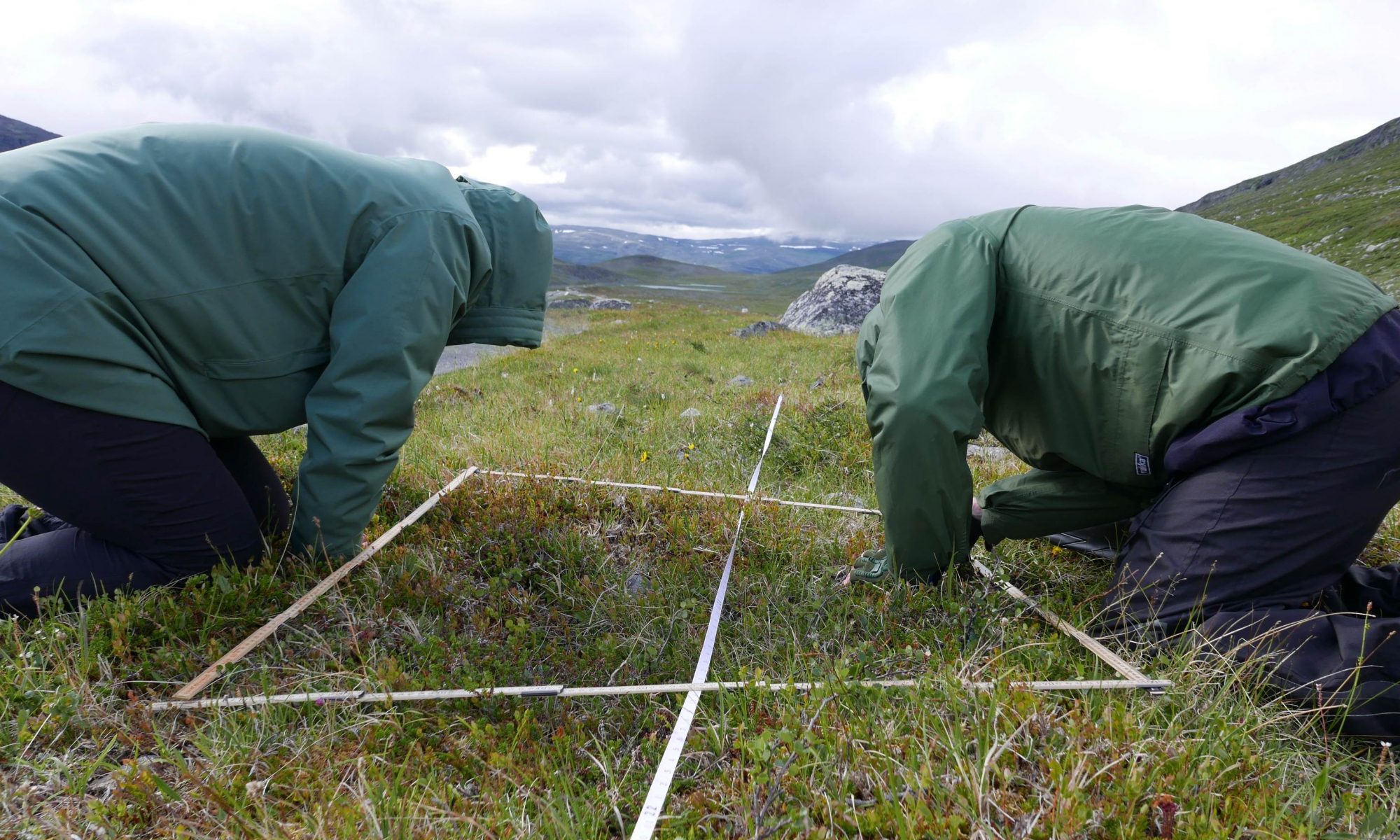
Summer 2024 will be the last opportunity to contribute to our observational study on herbivore diversity in tundra. This is a one-time, low-effort sampling campaign across multiple tundra sites, where your effort will contribute to a growing database including 12 sites already. The sampling protocol is simple, and the work can be done by a student or a field assistant.
What we offer:
Clear field protocols, tested across a range of tundra sites.
Co-authorship in 1-2 manuscripts assessing the large-scale drivers of herbivore diversity across tundra.
Opportunity to use the dataset for your own research questions.
What we ask:
2-4 person days of field work anywhere in tundra during peak of the growing season. Exact time commitment depends on herbivore abundance at your site.
Data entry to the database by October 2024.
More information on background, study questions and methods can be found here. If you have any questions or comments, please contact Elina Kaarlejärvi or Isabel Barrio.
Small rodent population cycles characterize northern ecosystems, and the cause of these cycles has been a long-lasting central topic in ecology. While some researchers have rejected plant–herbivore interactions as a cause of rodent cycles, others have continued to research their potential roles.
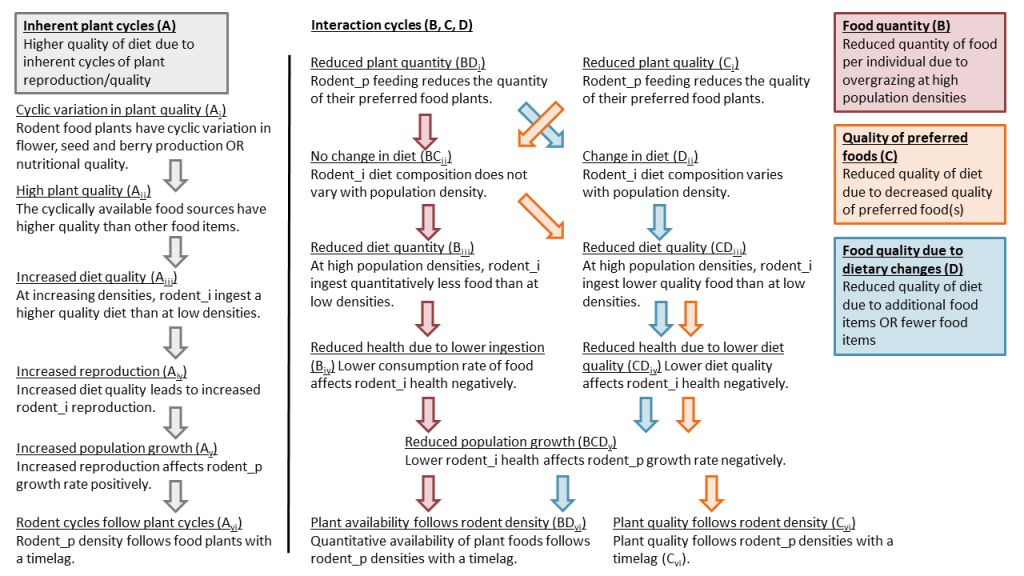
In their recent article in Biological Reviews, Eeva Soininen and Mage Neby outlined four different pathways on how plants could create population cycles in rodents. They reviewed the existing scientific literature, assessing the support to these pathways.
They found studies from the temperate biome to the tundra, but studies were scattered across different plant-rodent combinations, and only a few specific topics were studied repeatedly. They concluded that the literature is currently insufficient to discard with confidence any of the four potential hypotheses for plant-rodent cycles.
Pathways through which plants can create population cycles in rodents.
Reference: Soininen, E.M. and Neby, M., 2023. Small rodent population cycles and plants–after 70 years, where do we go?. Biological Reviews. https://doi.org/10.1111/brv.13021
The Department of Ecology and Environmental Science at Umeå University, Sweden, seeks a postdoctoral researcher who will work with impacts of permafrost thaw on Arctic ecosystems. The employment is full-time for two years with a start date on 1st of March 2024 or by agreement.
Project description
Satellite time-series indicate that Arctic vegetation productivity is increasing (greening), but also shows areas affected by productivity decreases (browning). These observations can be associated with vegetation changes, permafrost degradation or herbivory and other factors, but the causal links are often unclear. The aim of this project is to provide new knowledge on the impact of permafrost thaw and degradation on Arctic flora and fauna by assessing vegetation productivity, and to trace cascading effects on herbivores and local stake- and rightsholders, including issues of environmental contaminants. A key method will be the use of remote sensing data including unoccupied aerial vehicle (UAV) and satellite imagery and vegetation surveys. Fieldwork to collect UAV and ground data on vegetation properties is planned in three Arctic regions (Canada, Greenland and Svalbard).
The postdoctoral fellow will be associated with the EU Horizon project ILLUQ – PERMAFROST – POLLUTION – HEALTH providing a wide network for collaborations. The position will thus include deliverables and predefined tasks for the Postdoc fellow. These include:
To participate in field campaigns to different Arctic regions to collect UAV and vegetation ground data, including traces of herbivory.
To map different ecosystem types and changes in vegetation productivity using remote sensing data.
To link observed vegetation dynamics in satellite time series to drivers of change and to collaborate on modeling efforts to project future impacts of permafrost thaw on flora and fauna.
To participate in joint workshops with local stake- and rights-holders.
The exact set of tasks will be adjusted based on the background of the postdoc and there will be room to develop separate ideas.
The Postdoctoral Researcher will be placed in the Department of Ecology and Environmental Science, and will be advised by Dr. Matthias Siewert.
Qualifications
To be appointed under the postdoctoral agreement, the postdoctoral fellow is required to have completed a doctoral degree or a foreign degree deemed equivalent to a doctoral degree. This qualification requirements must be fulfilled no later than at the time of the appointment decision.
To be appointed under the postdoctoral agreement, priority should be given to candidates who completed their doctoral degree, according to what is stipulated in the paragraph above, no later than three years prior. If there are special reasons, candidates who completed their doctoral degree prior to that may also be eligible. Special reasons include absence due to illness, parental leave, appointments of trust in trade union organisations, military service, or similar circumstances, as well as clinical practice or other forms of appointment/assignment relevant to the subject area. Postdoctoral fellows who are to teach or supervise must have taken relevant courses in teaching and learning in higher education.
We seek a creative and motivated person with excellent oral and written communication skills in English. You must be able to work both independently and in collaboration with international partners. Prior experience with Arctic ecosystems and field work, remote sensing, UAV data collection, permafrost science, vegetation surveys, herbivory and biogeochemical analysis, will all be viewed as merits. The project can be adjusted to the expertise and interest of the candidate, as long as essential project deliverables are met. Candidates from a wide range of scientific backgrounds will be considered.
Application
A full application, written in English or Swedish, should include:
A cover letter describing your scientific background, interested in the project and your suitability (max. 2 pages)
A CV, including a list of your publications
Copies of your doctoral thesis and relevant publications (maximum 5)
Copy of doctoral degree certificate and other relevant degree certificates
Contact information for at least two reference persons
The evaluation will be based on the application, referee judgments and interviews. For more information contact: Associate Professor Matthias Siewert, Dept. Ecology and Environmental Science, matthias.siewert@umu.se
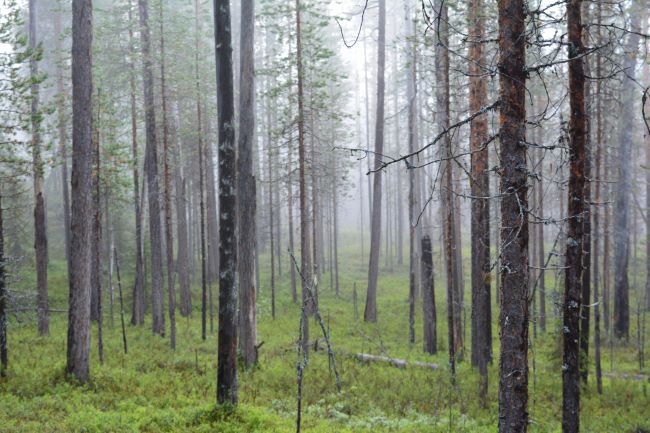
Trees are the main carbon (C) stocks in
boreal forests, but the understory vegetation can contribute significantly to
total C balance. In northern boreal pine forests, understories consist of
variable habitats with different roles for C balance: often, the understory is
a combination of warmer and drier sunlit patches dominated by lichens and more
shaded and moister patches dominated by mosses and dwarf shrubs. These habitats
are influenced by herbivores that may control canopy and understory vegetation,
soil C cycling and, consequently, forest C balance.
We studied how excluding large herbivores (Rangifertarandus and Alcesalces) for short and longer period
affects understory CO2 fluxes across sunlit and shaded habitats in a
boreal forest. We measured understory CO2 fluxes with manual and
automated chamber methods across sunlit and shaded habitats in grazed and
ungrazed areas over the growing seasons of 2019 and 2020. We used fences that
had excluded large herbivores for one year and for 25 years alongside the
adjacent grazed area at Oulanka research station in northeastern Finland.
We found that CO2 release increased in shaded habitats when large herbivores were excluded for one year. On the other hand, when large herbivores were excluded for over two decades, CO2 fluxes decreased to some extent, and this was independent of a habitat type. Our findings suggest that impacts of large herbivores on CO2 fluxes may vary over time and be opposite in short term compared to long term. Considering these temporal variations in grazing impacts may help to forecast C fluxes more accurately, which may be relevant for informed climate solutions.
The article is open access and you can find the full text here.
Reference: Kantola, N., Väisänen, M. Leffler, A.J., Welker, J.M. Contrasting impacts of short- and long-term large herbivore exclusion on understory net CO2 exchange in a boreal forest. Ecography https://doi.org/10.1111/ecog.06724
Text and photograph: Noora Kantola, University of Oulu
Migration
is a key life-history strategy that allows animals to exploit seasonal food
peaks while avoiding periods of scarcity. The success of a migratory strategy
hinges on the balance between reproductive output and survival. Long-lived
species, such as Arctic-breeding geese, can trade off survival and reproductive
success by skipping breeding in years when conditions for reproduction are
unfavourable. Breeding propensity — the likelihood of mature females breeding
in a given year — therefore plays a crucial role in population dynamics.
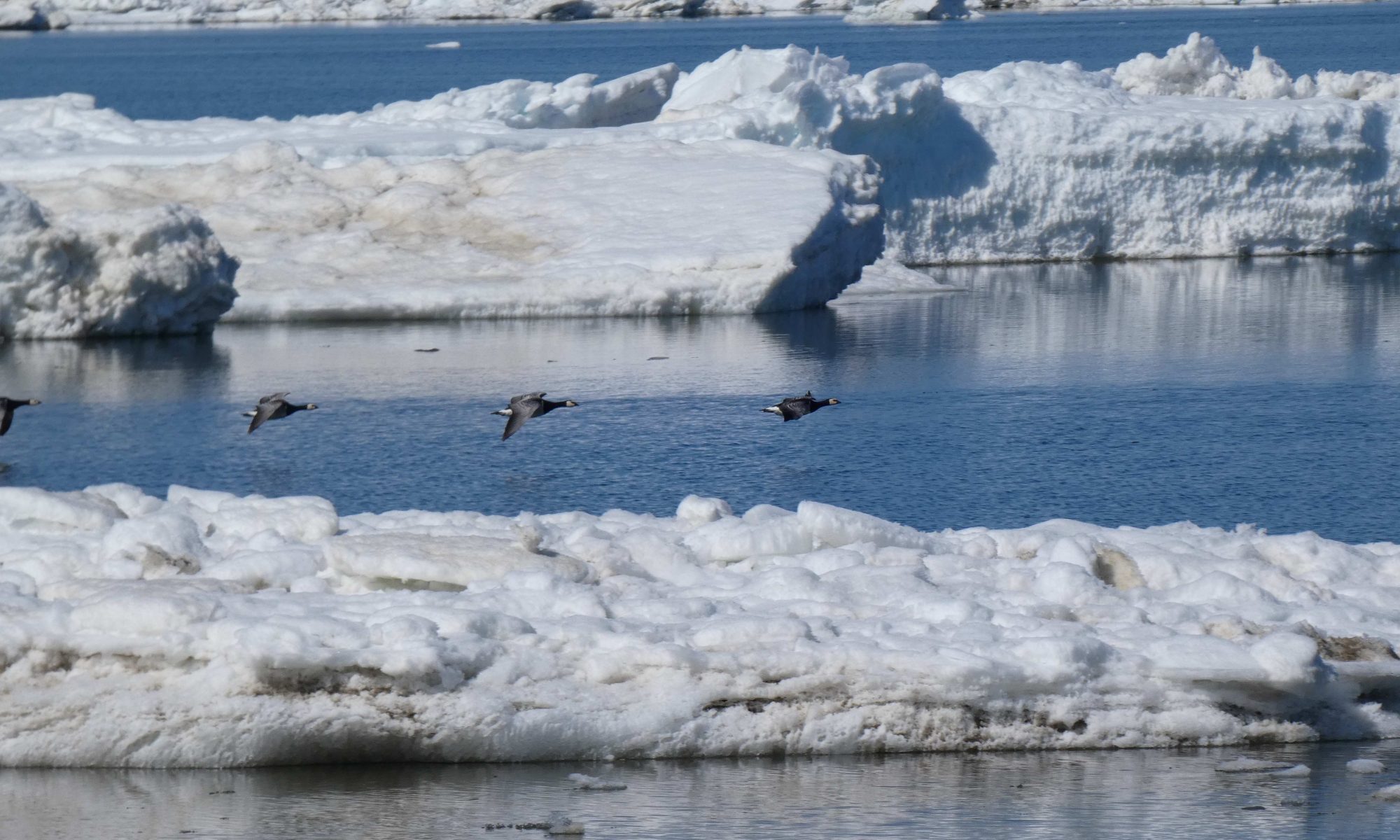
We studied
how spring conditions (onset of spring) affect breeding propensity and nesting
success of barnacle geese (Branta leucopsis) breeding along a
latitudinal gradient. We collated tracking data of barnacle geese breeding from
the temperate region in the Netherlands, to Novaya Zemlya in the high Arctic. By
using a novel technique to derive breeding attempts from high-resolution
tracking data, our study avoids the bias introduced by overlooking non-breeding
birds, providing a comprehensive understanding of breeding dynamics across the
entire breeding range.
The results
revealed that breeding propensity is significantly influenced by spring
phenology in Arctic regions. At latitudes >66° N, breeding propensity
decreased markedly in late springs compared to early springs. Nesting success,
mirrored the pattern of breeding propensity, declining in later springs at
Arctic latitudes. However, temperate latitudes exhibit consistently high
breeding propensity and nesting success, seemingly unaffected by spring
phenology. The relationship between breeding propensity and spring phenology at
Arctic latitudes aligns with the idea that local food availability and
conditions upon arrival play a crucial role. At temperate latitudes, food and
nesting site availability is usually not limited by snow cover, and timing of
spring might therefore be less important. Furthermore, agricultural
intensification provides a stable and nutrient-rich food supply which could
facilitate high breeding propensity regardless of spring phenology.
Earlier Arctic springs, driven by climate warming, have mostly been considered to have negative impacts on reproductive success through phenological mismatches. However, our study suggests that higher breeding propensity and nesting success in early springs may partially offset these negative impacts. This underscores the intricate relationship between spring phenology and reproductive success in Arctic breeding geese and other species. As climate change continues to influence spring timing, understanding these relationships becomes crucial for assessing the broader implications on population viability.
Reference: Boom, M. P., Schreven, K. H., Buitendijk, N. H., Moonen, S., Nolet, B. A., Eichhorn, G., van der Jeugd, H.P. & Lameris, T. K. (2023). Earlier springs increase goose breeding propensity and nesting success at Arctic but not at temperate latitudes. Journal of Animal Ecology. Early view
Text and photo credit: Michiel Boom,Dutch Centre for Avian Migration and Demography (NIOO-KNAW)
We are looking for a highly motivated and skilled postdoctoral researcher to join the project The Nordic Borealization Network (NordBorN) funded by NordForsk’s University Cooperation call.
The Nordic Borealization Network (NordBorN) will create a
collaboration platform across the Nordic countries to understand the
implications of ongoing shifts in the forest-tundra biome boundary, that is,
the borealization in Nordic terrestrial ecosystems. These shifts include the
encroachment of woody species (treeline advance and shrub expansion), spread of
non-native species, changes in the composition of biotic communities and in the
trophic and functional structure of ecosystems, and changes in landscape
structure and ecosystem processes. As such, borealization provides the scope
for multidisciplinary work and highlights the need of a strong consortium with
complementary expertise. NordBorN will bring together six Nordic universities
and three associated partners who will jointly develop research funding
applications and will create opportunities for mobility and graduate student co-supervision
across Nordic universities.
The successful applicant will conduct their own research within
the scope of the network while also facilitating collaborative research with a
large international research team. Their role will be to identify additional
opportunities for funding of joint NordBorN projects, assist in the preparation
of grant applications and coordinate efforts across the consortium, and develop
their own research interests, as project leaders. They will also build
leadership expertise by being part of the management board of a large Nordic
cooperation project. The position will provide a unique opportunity to be part of a large,
active international team, participate in project meetings in different
countries over the course of the project, opportunities for research visits
with other partners and for student supervision in a multidisciplinary
environment.
The postdoctoral researcher will be based at the Reykjavík
campus of the Agricultural University of
Iceland, and will work closely together with Isabel
C Barrio and other members of the NordBorN consortium. The deadline for
applications is December 8, 2023 and the position will start as soon as
possible after January 1, 2024. The position has a duration of 28 months.
Salaries are according to public sector wage agreements.
Applications
are welcome from candidates with a PhD degree in ecology, environmental
sciences or related fields. A strong academic background is essential,
as the postdoctoral researcher should be able to translate the research needs
and priorities of the network into the development of consortium activities,
while consolidating themselves as experts in the field. Applicants should ideally have experience in working
in an international research environment, successfully securing research
funding, communicating scientific outputs to different audiences, and project
management and coordination. Strong communication and interpersonal skills also
are important because the person in this position will facilitate collaborative
research within the network. Applicants should be able to work as part of an
international, multidisciplinary team but also independently.
In your application you should include:
Cover letter that explains how your research
interests and experience align with the position
CV or resume, including relevant experience
List of two professional references and their
contact information
Please do not hesitate to contact Isabel C Barrio (isabel@lbhi.is) if you have any questions.