
Postdoctoral researcher position at the University of Oulu

University of Oulu

Deadline: December 15, 2023

We seek for a highly motivated and skilled postdoctoral researcher to join the lab of Associate Professor Anu Eskelinen to work in the Academy of Finland funded project Global Change Effects on Plant Metacommunities and Ecosystem Functioning. The position is for two years.

Brief description of the project and position
In this project, we investigate how global changes affect plant biodiversity and ecosystem functioning in a naturally fragmented grassland system in the archipelago of southern Finland and what are the roles of dispersal and spatial context mediating community and ecosystem responses to global changes. We combine spatially replicated global change treatments with plant functional traits and information about habitat size and connectivity, and integrate these with measuring plant community diversity and composition, multiple ecosystem functions and microbial diversity.
While being based at the University of Oulu, the successful candidate will work in collaboration with an international researcher team, including collaborators, for example, from University of Tartu, Estonia, University of California Davis, US, German Centre for Integrative Biodiversity Research iDiv, Germany, and University of Helsinki, Finland.

Your tasks

  • Plan, organize, and conduct field work in a grassland metacommunity system in the archipelago of southern Finland, Åland Islands, including establishing experimental global change manipulations
  • Use existing plant community and trait data to model species occurrences and plant diversity in a metacommunity, and/or study links between plant biodiversity and ecosystem functioning in a metacommunity
  • Publish research results in high-ranked scientific journals
  • Participate BSc and/or MSc level teaching in Plant Biodiversity
  • Co-supervise MSc and/or doctoral students and field assistants

What we expect from you

  • Doctoral degree in plant community ecology or equivalent field with background in plant biodiversity research (obtained within the past 10 years) and demonstrated ability to prepare independently high-impact manuscripts for international journals
  • Excellent written and spoken English
  • Ability to travel and do field work in an international team
  • Excellent communication and team skills
  • Excellent and demonstrated statistical skills using software R
  • Experience in some of the following: plant biodiversity research, experimental plant community ecology, global change research, ecosystem functioning, trait-based ecology
  • Good grassland plant identification skills

Assessment of the applicants will be based on, acknowledging the content of the job, 1) overall fit to the above profile, 2) scientific publications, 3) motivation, 4) previous work experience, 5) national and international mobility and networking skills, and 5) other academic activities and merits.

We offer

  • Inspiring, novel, and ambitious project and study questions/system
  • Enthusiastic and international researcher team and mentoring
  • Possibilities for research visits and integration to a larger international community
  • Possibility for a flexible combination of presence work and remote work (this can be negotiated, depending on the situation of the applicant and project demands)
  • Full benefits provided by the University of Oulu to university employees, including free time corresponding to holidays and free occupational health care services. The successful candidate will receive also benefits provided by the Finnish government to residents, for example possibility to obtain access to the national healthcare system, tax benefits for employees with children, and high-quality affordable childcare services
  • Workplace that promotes flexibility and work-life balance. Read more about working with us.
  • Our Buddy Programme and Spouse Network support you and close-ones in settling into Oulu.
  • Wellness benefit ePassi covering sport, culture and well-being. Read more about other staff benefits.
  • Finland is one of the most livable countries in the world, with a high quality of life, safety, excellent education system, and competitive economy.

How to apply

Apply online latest on Friday 15.12.2023 at 23:59 (Finnish local time). Only applications sent via the online system will be considered. Please include the following attachments in your application (all in English):
1. Cover letter (describing experience relevant to this position, research interests, motivation, general career goals and why this position is of interest to you)
2. Curriculum Vitae
3. List of publications
4. Copies of all relevant certificates (including doctoral degree certificate)
5. Contact information of two persons available for recommendation

For further information, please contact Anu Eskelinen.

PhD fellow in Climate Change Ecology

Deadline: Nov 15, 2023

The Department of Arctic and Marine Biology (AMB) at UiT – The Arctic University of Norway, Faculty of Biosciences, Fisheries and Economics (BFE) seeks a highly motivated PhD fellow in Ecology, specializing on climate change ecology.

The workplace is UiT in Tromsø. The position is affiliated with the research group Northern Populations and Ecosystems and will be associated with the research project Arctic Forest Futures – An integrative approach to understanding and anticipating ecological transitions in the forest-tundra ecotone, funded by the Research Council of Norway for 2024-2026, as well as with the Climate Ecological Observatory for Arctic Tundra (COAT).

Arctic Forest Futures is a collaborative project between UiT, and strong national (NINA, MET, NORCE, UiO) and international research partners (WSL, UniGe, CSIRO, EPFL). The prospective candidate will work with researchers from this project group and from COAT to deliver cutting-edge tools for the knowledge-based management of northern forest ecosystems in the face of climate change. Supervision will be offered from UiT with co-supervisors from NINA and UiO as relevant.

The position is for a period of four years. The nominal length of the PhD program is three years. The fourth year is distributed as 25 % each year and will consist of teaching and other duties. The objective of the position is to complete research training to the level of a doctoral degree. Admission to a PhD program is a prerequisite for employment, and the program period starts on commencement of the position. The PhD candidate shall participate in the faculty’s organized research training, and the PhD project shall be completed during the period of employment. You must be able to start in the position within a reasonable time and no later than March 1st 2024.

Deadline for application: Nov 15, 2023

Read more here: https://www.jobbnorge.no/en/available-jobs/job/250881/phd-fellow-in-climate-change-ecology#?p=1&reset=1

PhD scholarship on spatial patterns of plant-herbivore feedback in Greenland

Deadline: October 15, 2023

A 3-year PhD fellowship in terrestrial biology is offered by the Greenland Institute of Natural Resources, GINR (www.natur.gl).

The PhD-project will build a framework to test different scenarios changing major factors affecting the feedback loop between herbivores’ distribution and their foodscape. This feedback loop would consider how caribou distribution affects the main plant functional groups (structure and productivity) through herbivory (grazing, trampling, fertilizing) and, in turn, how these altered vegetation maps shift caribou distribution. The candidate work will enhance knowledge on how the main drivers – environment (climate, soil properties), land use (hunting, infrastructure), herbivore’s density and competition for resources with other herbivore species – modify these plant-herbivore interactions.

You can find more information here. If you have any questions, please get in touch with Mathilde Le Moullec.

Call for collaboration: Emerging priorities in terrestrial herbivory research in the Arctic

After 10 years of contributing to circumpolar research on plant-herbivore interactions, the Herbivory Network is proposing to use a horizon scan to identify research priorities in Arctic herbivory for the coming decade, as a contribution to the ICARP IV (Fourth International Conference on Arctic Research Planning – 2025) process.

For this exciting aim, we are asking for input that will help identify the most important questions to solve the puzzle of herbivory dynamics in the Arctic, by completing this short online survey.

The survey asks you to name one or more priorities for Arctic research in the next decade. These priorities can range from local- to large-scale issues, well-known topics or under-appreciated ones, urgent concerns as well as more distant ones.

Deadline for submissions has been extended until January 28, 2024.

The survey responses will be compiled and organised into thematic categories by a core working group. Subsequently, an in-person workshop is scheduled for March 12, 2024 in Lund, as part of the NSO 2024 conference, to further refine the emerging themes and determine key action points. We anticipate that this collaborative process will be beneficial to ICARP’s objectives while fostering the generation of new knowledge in the field of Arctic herbivory.

This project has been endorsed by the International Arctic Science Committee as an ICARP IV activity.


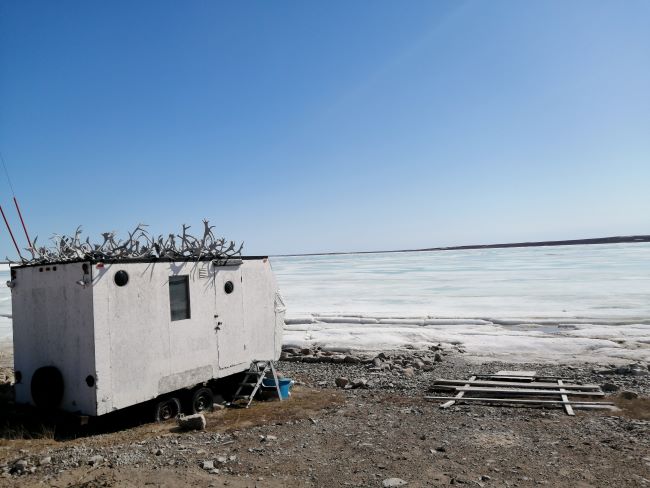
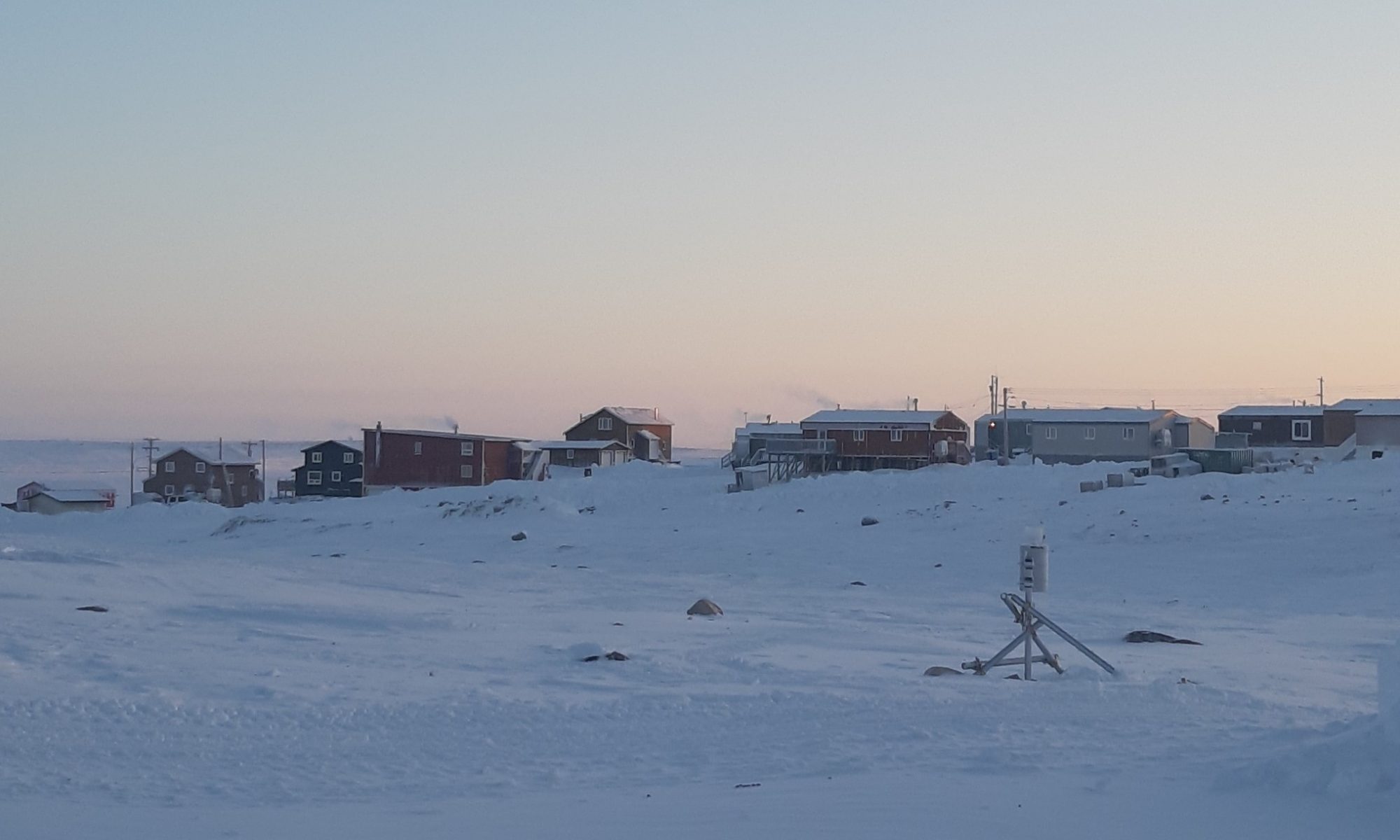
Photograph: Cambridge Bay (Cléa Frapin)


Call for collaboration: collecting fresh herbivore faecal samples

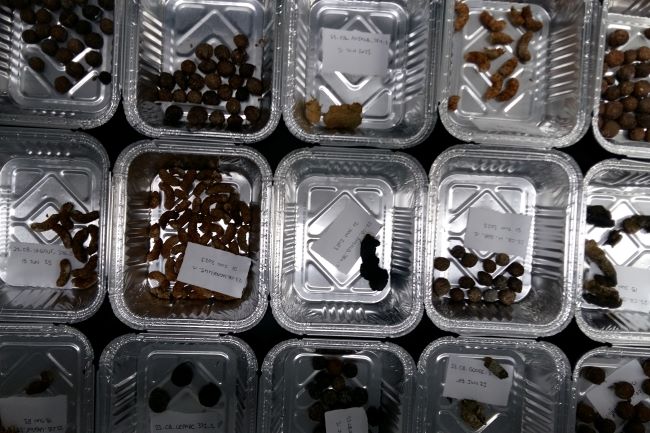
Herbivores are important drivers of nutrient dynamics in terrestrial ecosystems. By consuming plants and releasing nutrient-rich resources to the soil, herbivores affect nutrient cycling. Near Infrared Spectroscopy (NIRS) represents an effective, low-cost method to assess the nutrient contents of herbivore dung, alternative to more expensive traditional chemical laboratory analyses, but it requires calibration with samples of known chemical content.

Here is where we need your help! We need to collect fresh faecal samples from accurately identified herbivore species. If you are going to the field this summer and you have the chance to collect very fresh faecal matter that you can unequivocally ascribe to a species of herbivore (for example, if you are working with live trapping, culled animals, enclosure experiments, or visiting colonies and nests), we would be very happy to receive samples from you!

The sample collection protocol is very simple (more detailed guidelines are available here). Samples will be shipped to the Agricultural University of Iceland, where all analysis will be conducted. In addition to NIRS calibration curves, the data obtained from these samples will contribute to an open database on nutrient content of herbivore dung. Data contributors will be invited as co-authors of relevant outcomes of this project.

Developing NIRS calibration curves for faecal nutrient content of Arctic herbivores will allow analysing a much larger number of samples needed to address questions at finer temporal and spatial scales, for example, to assess seasonal variation of faecal nutrient contents over the growing season, or to assess herbivore diet quality at different sites. This project will provide a significant methodological advance in the field and will increase our understanding of how herbivores contribute to nutrient cycling in tundra ecosystems.

If you are interested in contributing to this project, please get in touch with Mathilde Defourneaux (mathilde@lbhi.is).

Relevant documents

This project is a contribution to the TUNDRAsalad project funded by the Icelandic Research Fund (grant nr. 217754 )

HN meeting in Cambridge Bay 2023

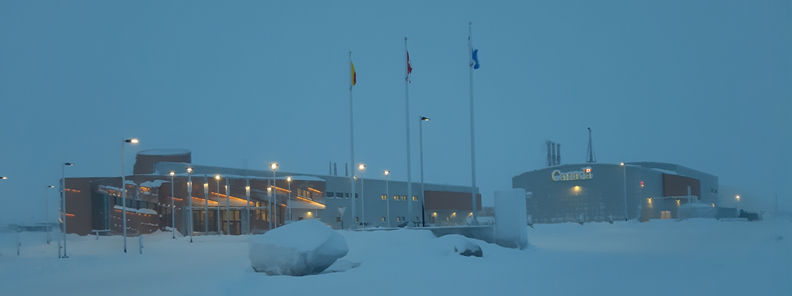
The Herbivory Network 2023 meeting took place in Cambridge Bay, June 13-16, 2023. The meeting was hosted at the Canadian High Arctic Research Station (CHARS), a leading research facility run by Polar Knowledge Canada (POLAR) in the community of Cambridge Bay, Nunavut.

The next HN meeting will be hosted at the Canadian High Arctic Research Station (CHARS) in Cambridge Bay

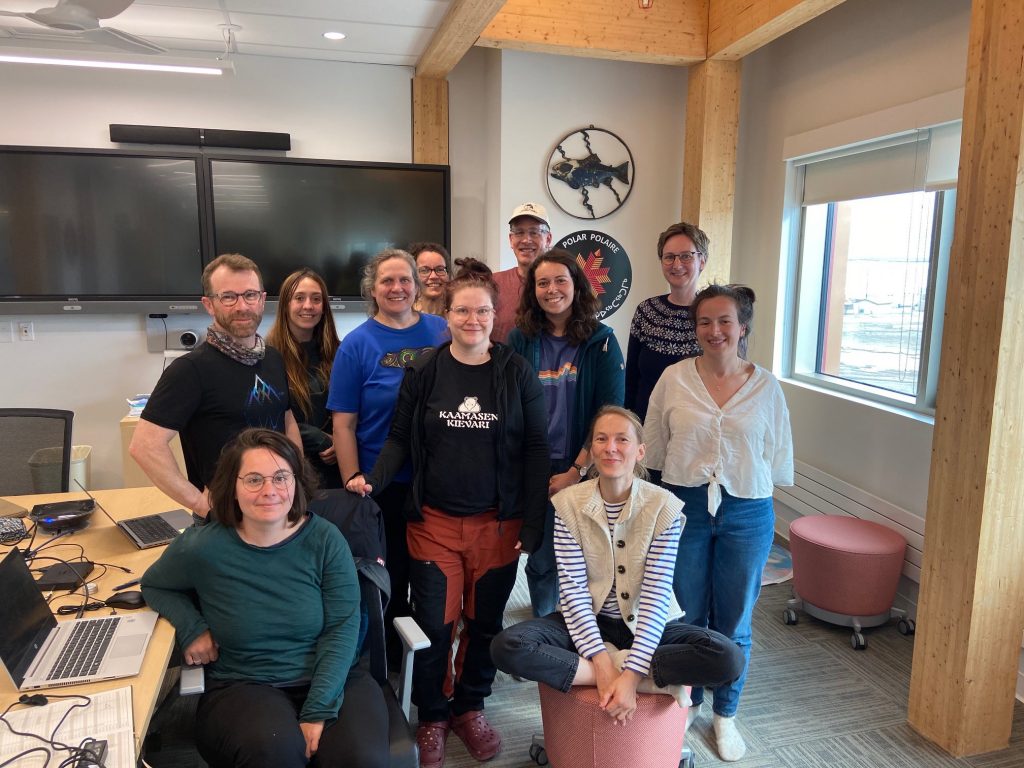
The aim of the meeting was to advance and discuss ongoing projects and start new collaborations that will contribute to a better understanding of the effects of herbivores on arctic ecosystems. The meeting included an open public lecture and a short field visit. Eleven researchers from five Arctic countries participated in person in the meeting, and online access was provided to other participants to some of the discussion sessions. Meeting participants also visited the research station and shared about various (contrasting) field contexts stimulated by the direct field experience of the High Arctic tundra.

Participants to the Herbivory Network meeting at the Canadian High Arctic research station in Cambridge Bay.

Activities during the meeting

During this Herbivory Network meeting a strong emphasis was placed on presentations by participants on their current research projects. As well, a field session included the demonstration of an observational protocol for data collection. We also had a brainstorming session on the potential contribution of Herbivory Network researchers to the ICARP IV process and an open public lecture attended by community members in Cambridge Bay.

  • Presentations by participants: during the meeting participants were encouraged to give a short presentation about their ongoing research, ideas for future collaboration or anything they wished to share with the network. Presentations from in-person and online participants covered topics including updates from the HN Soil Working Group, research on aapa mires, a systematic review on the effects of herbivore diversity on tundra ecosystems, trophic food webs across the Arctic, or the effects of fertilization and goose grazing exclosure on permafrost, among others.
  • Coordinated protocols to assess the effects of herbivore diversity on tundra: within the IRF-funded project TUNDRAsalad that aims at investigating the effects of herbivore diversity on tundra ecosystems, we have designed an experimental and an observational protocol for data collection across tundra sites (https://herbivory.lbhi.is/tundra-exclosure-network-texnet/). WP leader Elina Kaarlejärvi successfully secured funding from INTERACT Transnational and Remote Access to implement the observational protocol in Cambridge Bay and other INTERACT stations across the Arctic. Data collection during the meeting was not possible because it was too early in the season, but we demonstrated the use of the protocol so that meeting participants can then implement the protocol at their study sites in summer 2023 or 2024. The demonstration included a visit to the field with discussions on the ground.
  • Brainstorming session on contribution of HN to the ICARP IV process: the Fourth International Conference on Arctic Research Planning (ICARP IV; https://icarp.iasc.info/) lasting from 2022 until 2026 is a planning process that will engage Arctic researchers, Indigenous Peoples, policy makers, residents and stakeholders from around the world to collegially discuss the state of Arctic science, and the place the Arctic occupies in global affairs and systems. During the HN meeting participants unanimously acknowledged the significance and timeliness of the ICARP IV process and expressed their eagerness to contribute using a horizon scanning approach to identify research priorities in Arctic herbivory for the next decade. An online survey was developed and will be distributed to Herbivory Network members and to other interested researchers. The survey responses will be compiled and organised into thematic categories by a core working group. Subsequently, an in-person workshop is scheduled for 2024 to further refine the emerging themes and determine key action points. We anticipate that this collaborative process will be beneficial to ICARP’s objectives while fostering the generation of new knowledge in the field of Arctic herbivory.
  • Public lecture: Prof. Esther Lévesque from the Université du Québec à Trois-Rivières, gave a talk titled “Greener Arctic: more shrubs, less berries?” where she presented her work with local communities in the Canadian Arctic. Community members in Cambridge Bay attended the meeting and discussed their knowledge on berries in the region.

Meeting agenda

[all times are local times, Mountain Standard Time, GMT-7]

Monday June 12, 2023 – arrival of participants to Cambridge Bay

Tuesday June 13, 2023
8:30-10:00 Presentations by participants on ongoing research projects and initiatives (online access to other participants)
10:30-12:00 Presentations by participants (cont.)
13:00-15:00 Coordinated protocols to assess the effects of herbivore diversity on tundra
15:30-17:00 POLAR Knowledge Canada and tour of CHARS
19:00-20:00 Open public lecture: Greener Arctic: more shrubs, less berries? By Prof. Esther Lévesque, Université du Québec à Trois-Rivières

Wednesday June 14, 2023
8:30-16:00 Coordinated protocols (cont.): implementation in the field
16:00-17:00 Presentations by participants (cont.)

Thursday June 15, 2023
8:30-15:30 Presentations by participants (cont.)
16:00-18:00 Brainstorming session on contribution of HN to the ICARP IV process

Friday June 16, 2023
8:30-10:00 Future collaboration within the network (online access to other participants)
10:30-12:00 Closing remarks and conclusions

Archived documents

Funding and support

Support for organizing the meeting was kindly provided by the Terrestrial Working Group of the International Arctic Science Committee (IASC). INTERACT Transnational Access facilitated participation of researchers to demonstrate and promote the use of a coordinated protocol for data collection. Polar Knowledge Canada provided in-kind support for the organization of the meeting.

PhD in biodiversity and ecosystem functioning in boreal forest and tundra

Deadline: Jan 8 2023

A fully-funded 4-year PhD researcher position in biodiversity and ecosystem functioning in boreal forest and tundra is available within the recently established research group Northern Biodiversity and Ecosystem Functioning (NorEcoFun) at the University of Helsinki.

You can find more information on the project and how to apply here. Deadline for applications is January 8, 2023 and expected starting date is ideally in March 2023, but can be negotiated.

For more details, get in touch with Elina Kaarlejärvi.

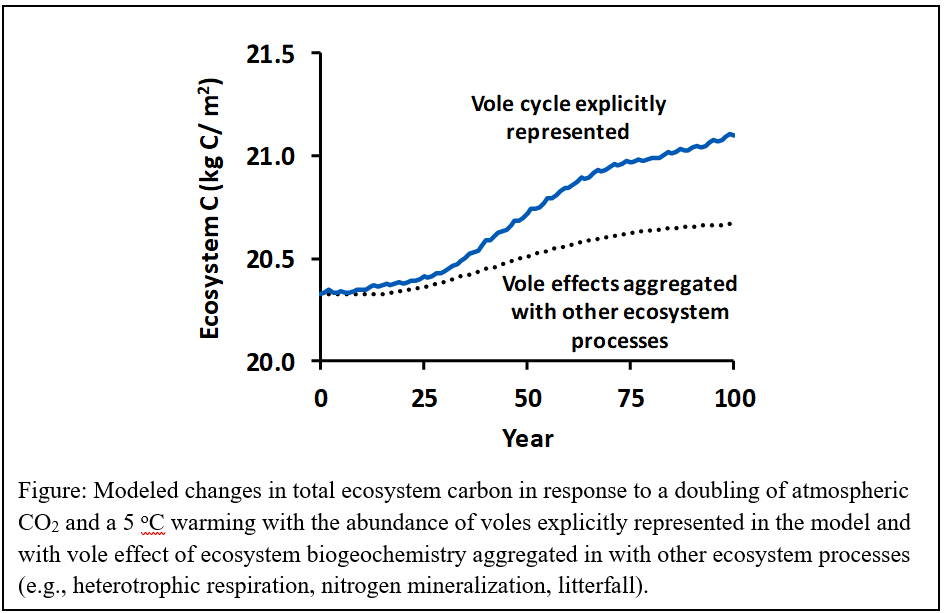
Model responses to CO2 and warming are underestimated without explicit representation of Arctic small-mammal grazing

We use a simple model of coupled carbon and nitrogen cycles in terrestrial ecosystems to examine how explicitly representing grazers versus having grazer effects implicitly aggregated in with other biogeochemical processes in the model alters predicted responses to elevated carbon dioxide and warming. The aggregated approach can affect model predictions because grazer-mediated processes can respond differently to changes in climate from the processes with which they are typically aggregated. We use small-mammal grazers in arctic tundra as an example. We conclude that implicitly aggregating the effects of small-mammal grazers with other processes results in an underestimation of ecosystem response to climate change relative to estimations in which the grazer effects are explicitly represented. The magnitude of this underestimation increases with grazer density. We therefore recommend that grazing effects be incorporated explicitly when applying models of ecosystem response to global change.

Reference: Rastetter, E.B., Griffin, K.L., Rowe, R.J., Gough, L., McLaren, J.R. and Boelman, N.T., 2022. Model responses to CO2 and warming are underestimated without explicit representation of Arctic small‐mammal grazing. Ecological Applications32(1), p.e02478. Link to publisher

Herbivore absence can shift dry heath tundra from carbon source to sink during peak growing season

In arctic tundra, large and small mammalian herbivores have substantial impacts on the vegetation community and consequently can affect the magnitude of carbon cycling. However, herbivores are often absent from modern carbon cycle models, partly because relatively few field studies focus on herbivore impacts on carbon cycling. Our objectives were to quantify the impact of 21 years of large herbivore and large and small herbivore exclusion on carbon cycling during peak growing season in a dry heath tundra community.

When herbivores were excluded, we observed a significantly greater leaf area index as well as greater vascular plant abundance. While we did not observe significant differences in deciduous dwarf shrub abundance across treatments, evergreen dwarf shrub abundance was greater where large and small herbivores were excluded. Both foliose and fruticose lichen abundance were higher in the large herbivore, but not the small and large herbivore exclosures. Net ecosystem exchange (NEE) likewise indicated the highest carbon uptake in the exclosure treatments and lowest uptake in the control (CT), suggesting that herbivory decreased the capacity of dry heath tundra to take up carbon. Moreover, our calculated NEE for average light and temperature conditions for July 2017, when our measurements were taken, indicated that the tundra was a carbon source in CT, but was a carbon sink in both exclosure treatments, indicating removal of grazing pressure can change the carbon balance of dry heath tundra. Collectively, these findings suggest that herbivore absence can lead to changes in plant community structure of dry heath tundra that in turn can increase its capacity to take up carbon.

Reference: Min, E., Wilcots, M.E., Naeem, S., Gough, L., McLaren, J.R., Rowe, R.J., Rastetter, E.B., Boelman, N.T. and Griffin, K.L., 2021. Herbivore absence can shift dry heath tundra from carbon source to sink during peak growing season. Environmental Research Letters16(2), p.024027. Link to publisher